Yesterday’s ACEs Framework Is Failing Today’s Children
To improve health outcomes, public health must expand how it defines and measures adverse childhood experiences (ACEs).

Read Time: 5 minutes
Published:
We live in a world where millions of people can adapt to a new social media platform overnight, yet our response to childhood trauma has remained largely unchanged for over a decade.
More than twenty-five years after the original Adverse Childhood Experiences (ACEs) Study, the United States still lacks a universal, standardized approach to screening and responding to ACEs. The landmark study from the Centers for Disease Control and Prevention and Kaiser Permanente found that individuals exposed to childhood adversity were more likely to experience seven of the ten leading causes of death in adulthood, including heart disease, cancer, and chronic lung disease.
With this evidence, why do our systems for identifying and addressing ACEs remain fragmented? It is because current surveillance systems provide an incomplete picture of childhood adversity, relying largely on retrospective adult reports and limited youth data.
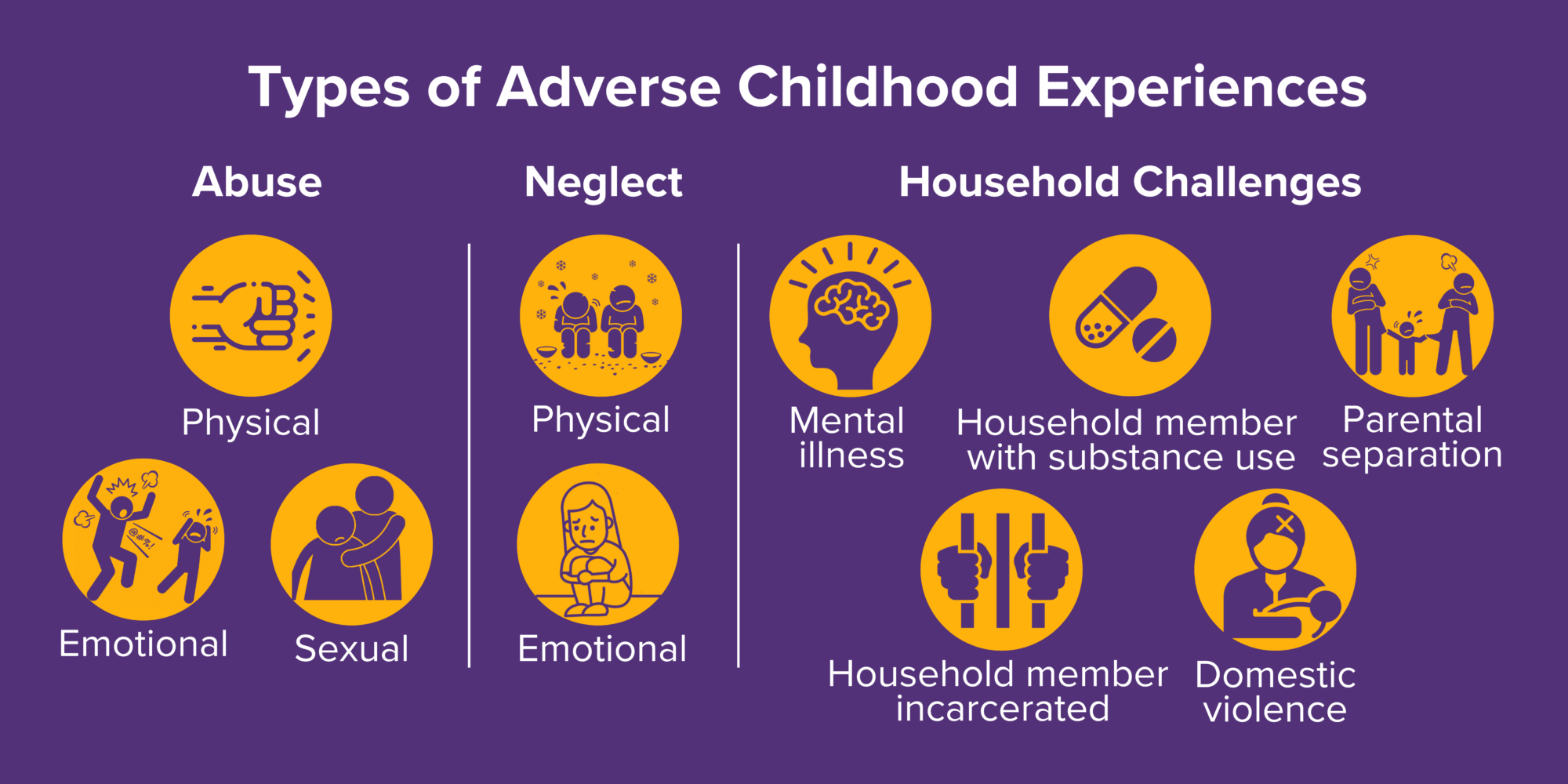
Compounding this issue, many clinical and community settings still rely on the original 10-item ACEs questionnaire when assessing youth, which was developed over two decades ago. While relevant and groundbreaking at the time, this tool focuses almost exclusively on experiences within the home—such as abuse, neglect, and household dysfunction—failing to capture the broader social and structural contexts impacting children’s lives today.
Children’s experiences are often invisible. Exposure to community violence, policing, bullying, racism, and discrimination can all contribute to toxic stress, resulting in long-term physical and mental health consequences. Black, Hispanic, and LGBTQ+ youth and immigrant families are most affected.
The ACEs framework was originally designed to measure adversity within the home, rather than the broader social environments in which children live. This limitation disregards the fact that for many youth, especially minoritized youth, their environments, which operate at levels largely outside their control, contribute significantly to their adverse experiences. The lived realities of many youth include daily exposure to discrimination, surveillance, and violence that are often experienced in the “safety” of these public spaces. Today, youth also face near-constant exposure to online conflict and social media, factors increasingly linked to anxiety, depression, and sleep disruption.
Effectively addressing ACEs requires not only updated measures but also a deep understanding of community context. This would require expanding ACE measures to include factors related to community violence, neighborhood conditions, structural racism, and discrimination, with a focus on the places where these factors are most experienced.
The town of Winthrop, Massachusetts, has partnered with Boston University School of Public Health for the past decade in research, teaching, and practice endeavors in an effort to understand the community context and advance public health initiatives. In a recent assessment of how repeated exposure to violence, instability, and loss affects community well-being in Winthrop, these missing ACE factors were repeatedly raised by decision-makers, community leaders, residents, and youth. Winthrop is a nationally recognized community for their public health and public safety work, yet these factors persist despite decades-long efforts to address them.
Within just a few square miles, Winthrop has experienced multiple community traumas in recent years, including the COVID-19 pandemic, a devastating fire that displaced residents and businesses, a racially motivated shooting that killed two Black community members and was investigated as a hate crime, and, most recently, a fatal domestic violence incident. Community members feel the profound impact of these traumatic events as well as the devastating impacts of immigration enforcement in their community, which has led to children withdrawing socially, struggling to focus, and missing school.
Meaningful progress happens one community at a time.
Reflecting on the adversity their town has experienced, community members provided suggestions to protect youth against ACEs. These include strengthening connections between youth and trusted adults, expanding parent education and resources, and increasing investment in community organizations and schools. The recommendations align with national guidance from the CDC. But more importantly, they come directly from the community and demonstrate how community-engaged research can inform the most appropriate and practical solutions to reduce the impact of ACEs.
Public health professionals, policymakers, and educators are trained to identify problems within communities and design solutions to address them, but this cannot happen without the active input from those most affected. A complete understanding of the context surrounding the problem and the community’s perspectives and priorities for creating targeted and sustained change is also imperative. To successfully address childhood adversity, communities must modernize the ACEs framework, expand screening in schools and health care settings, and invest in interventions that reflect children’s lived experiences. Lessons learned from Winthrop include the importance of engaging communities in the process to uncover the contextual factors at play and targeting solutions for greatest impact.
If we can adapt to a new social media platform in a matter of days, why does it take over 25 years to adopt new measures to protect our children? Meaningful progress happens one community at a time.