When Communities Drive Discovery: How AI Can Democratize Health Research
Community-led research can face barriers to change. Using AI tools thoughtfully can help translate lived experiences into meaningful action.
Read Time: 5 minutes
Published:
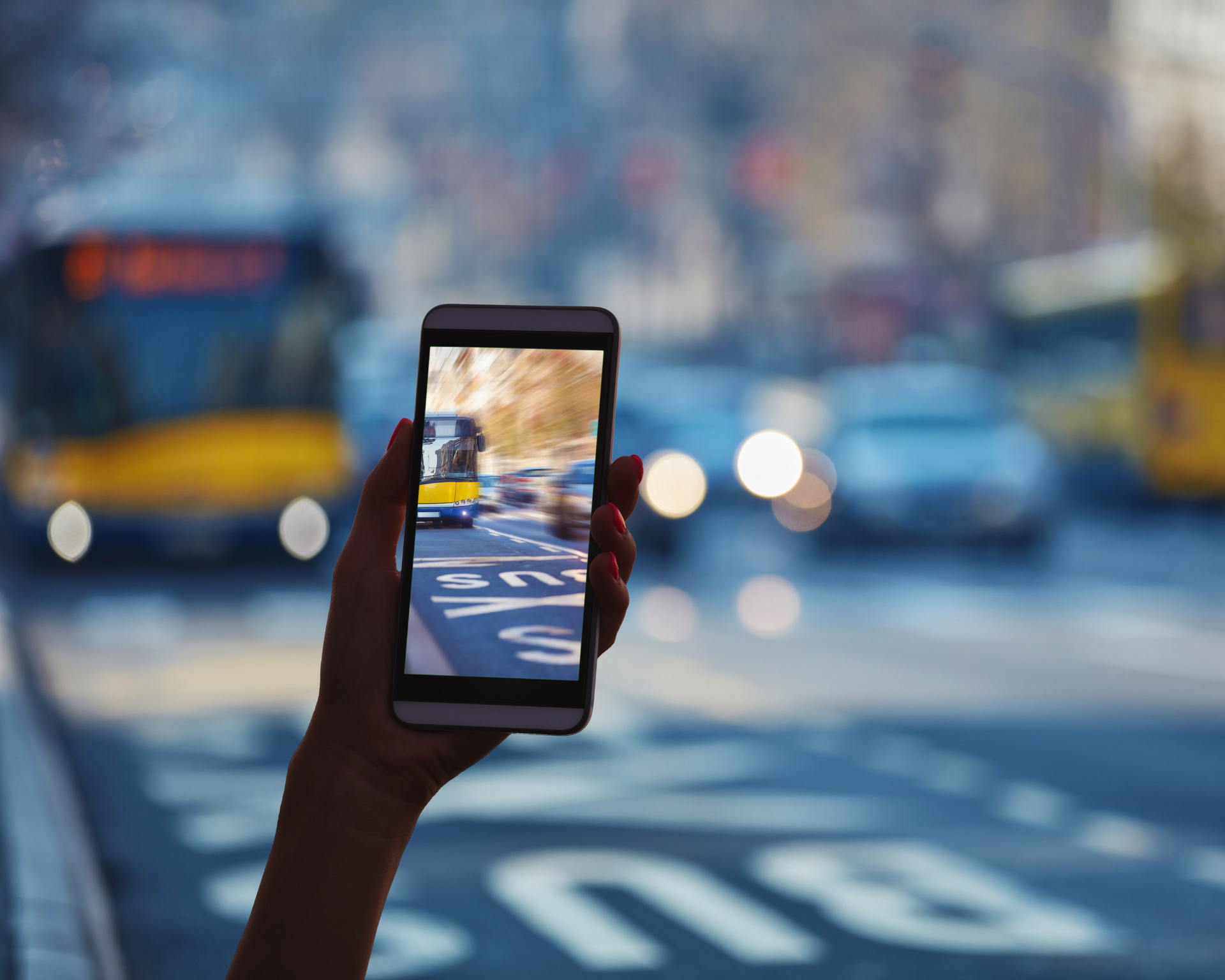
Just after dawn, Miriam approaches the portion of the sidewalk that has buckled into a ridge she can no longer cross. She steps into the street to get around it, lifts her phone, and photographs it: the broken slab, missing curb ramp, traffic passing close enough to touch. Miriam is 68, and she has walked this route to the market for most of her life. This morning she is documenting it. She is not participating in a research study. She is helping to lead one.
For over a decade, Miriam and thousands of other community residents aged 7 to 100 have participated in the Our Voice Global Citizen Science Research Initiative, which originated at Stanford University. Our Voice has engaged communities across more than 30 countries spanning six continents as “co-scientists” who identify local health barriers, collect their own data, and partner with local decision-makers and researchers to create healthier and more vibrant communities.
Using the four-step Our Voice method, community members from all walks of life capture their “lived experience” data on local issues they care about through a simple, multilingual mobile app called the Discovery Tool. They then share their data with other residents, collectively identify the most prominent issues, and brainstorm feasible solutions. Next, they learn from Our Voice facilitators how to present their lived experience data to local decision makers who can help. Finally, they work with those decision makers to make relevant change happen.
When people actively participate in creating meaningful knowledge, trust in science grows.
We’ve found that community members rarely need experts to tell them what’s wrong. But they can benefit from accessible tools to help turn their insights into action. Across Our Voice projects, residents have promoted positive local changes in a variety of areas, including neighborhood safety, green space and park development, clinical care, nutrition, and healthier schools and worksites. On the Caribbean island of Grenada, for example, fourth-graders photographed mosquito-breeding sites, presented their findings to officials to enact changes, and saw measurable increases in their own sense of agency to create change. Similar projects across the United States have engaged older adults in documenting walkability barriers and middle schoolers in designing inclusive playgrounds.
While reviewing the expanding Our Voice research for our upcoming book Community Voices Building Healthier Choices Together (Springer, in press), we observed a persistent challenge: helping diverse communities—including those with varying familiarity with technology—clearly communicate their ideas and get “buy-in” from local decision-makers. Communities have excelled at documenting problems. Yet, when brainstorming solutions as a group, many things can get in the way, including language barriers, limited familiarity with how local decisions get made, and varying comfort levels with public speaking. These can all limit who participates and whose ideas gain traction.
We wondered if the growing field of artificial intelligence could help to translate the community’s lived experience data into easy-to-understand images and descriptions that would help decision-makers better “get” what community members were experiencing.
The promise is real: hands-on use of AI can build residents’ confidence while helping them translate their lived experiences and expertise into actionable advocacy.
Since 2024, we’ve explored how AI can help community members make their case for realistic local improvements. We wanted to see how AI could “riff” on residents’ photos to help them better visualize feasible solutions for the local issues they identified. For example, in an Our Voice project in Cartagena, Colombia’s El Pozón neighborhood, youth documented stagnant water and uncollected garbage using the Discovery Tool. Then, during group discussions, they used text-to-image generative AI through Stanford’s SecureGPT system to quickly generate images of their proposed solutions—like covered trash bins and improved drainage systems. In one instance, their photos showed muddy and unpaved roads and routes which made it difficult to get to school. AI enhancements of their original street photos helped to visually show how relevant changes (e.g., adding pavement and appropriately sized trash containers along the route to prevent the pile-up of litter) could make a huge difference. The local decision makers, impressed with the citizen scientists’ thoughtful, data-driven presentations, made the necessary changes to improve students’ access to school.
AI can help community members and decision-makers envision a better community. But, of course, introducing new users to AI also carries risks. AI systems can lead to false information or oversimplify complex realities. Over-reliance can diminish the critical thinking that makes participatory science valuable. That’s why, in our work, every AI interaction is mediated by trained facilitators, and we’ve engineered AI prompts to minimize biased outputs. Most critically, communities validate everything. No AI-generated content reaches decision-makers unless residents confirm it reflects their lived experience.
The promise is real: hands-on use of AI can build residents’ confidence while helping them translate their lived experiences and expertise into actionable advocacy. When people actively participate in creating meaningful knowledge, trust in science grows. But realizing this vision requires proceeding thoughtfully, centering community voices, and remembering that technology is best used to enhance the community’s voice rather than replace it.