When Health Programs Build Communities
Venezuela’s Barrio Adentro program offers a look into how health programs can shape community relationships and build trust.
Read Time: 5 minutes
Published:
When we think about health care systems, we usually think about doctors, clinics, medicines, and patients. But what happens when a health care program does something more: builds relationships between people and the communities in which they live? Venezuela’s Barrio Adentro program offers a useful case for understanding how health care institutions can shape community relationships, and what this might mean for public health in the United States.
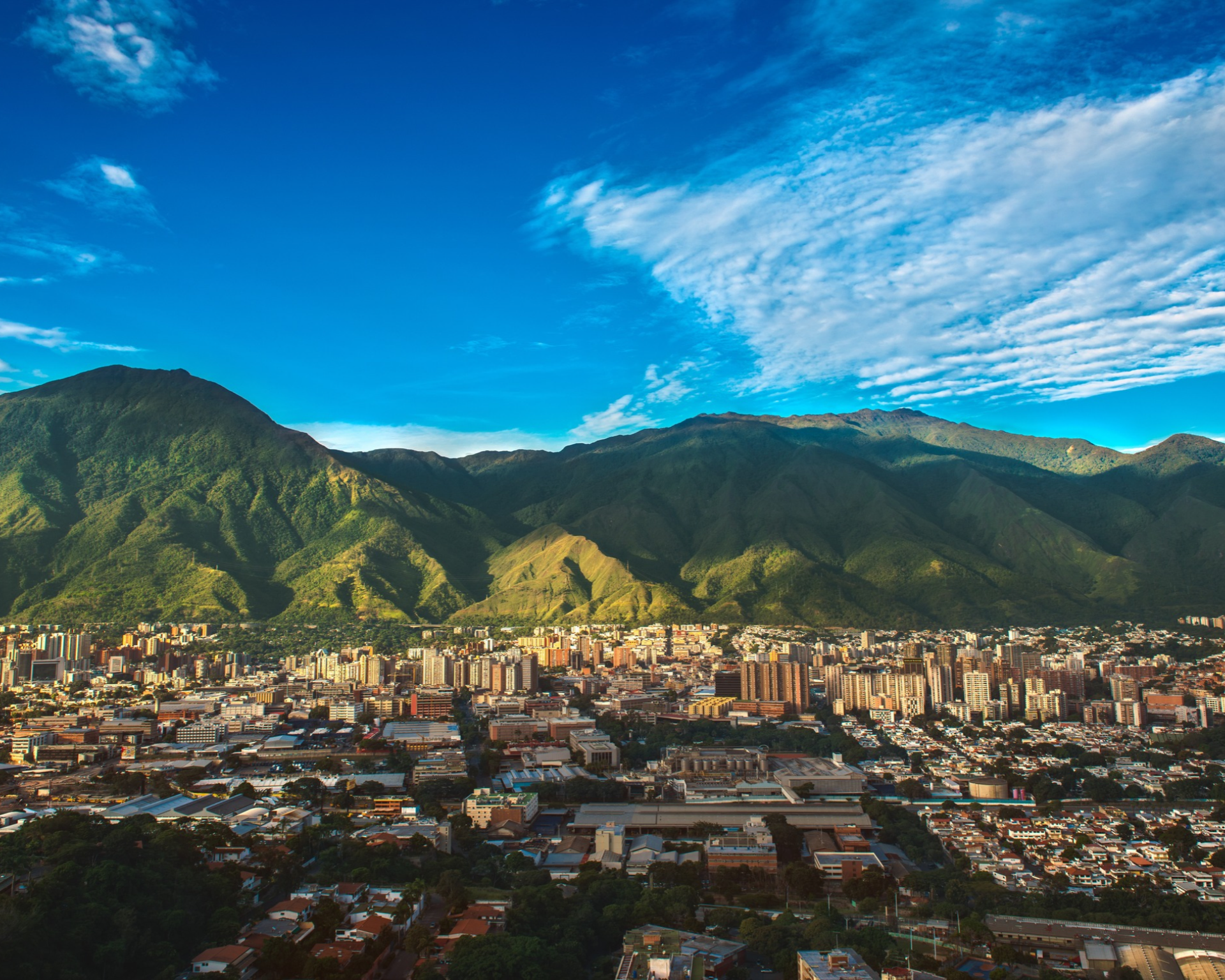
Established in 2003 under President Hugo Chávez with assistance from Cuba, Barrio Adentro was created to expand health care access in historically underserved neighborhoods. Cuban physicians were placed directly in communities where many residents had previously experienced limited access to medical care. The program became one of the most visible parts of Chávez’s broader effort to expand social services and political participation among marginalized Venezuelans.
But Barrio Adentro was about more than health care access.
Research on the program describes clinics as places where relationships formed among residents, health care workers, community organizations, and public institutions. Participation in health programs could become a form of civic participation, where residents were not simply patients; they were encouraged to participate in efforts to improve their communities.
How health care institutions engage with communities—and whether residents feel respected, included, and able to participate—can influence whether those institutions become trusted parts of local social infrastructure.
This matters because health systems can create something that is difficult to measure: social capital.
Social capital refers to the relationships, networks, and resources people can draw upon through their connections with others. A neighborhood clinic can therefore become more than a place to receive medical treatment. It can connect residents to institutions, create opportunities for collective action, and give marginalized communities a greater sense that public services are intended for them.
Barrio Adentro also reveals a complication: community participation is not always equally inclusive.
Ethnographic research on Chávez-era social programs describes tensions involving Indigenous people who distrusted or resisted government-sponsored initiatives. Efforts to transform public spaces and encourage participation could marginalize people who did not participate in the ways the state expected. In other words, a program designed to build community could also shape expectations about who belongs in that community and what a “good” community member looks like.
This creates a paradox, where efforts to promote inclusion can produce new forms of exclusion.
The deterioration of Barrio Adentro following Chávez’s death, alongside Venezuela’s broader economic crisis, raises another question: what happens to the relationships created around public institutions when those institutions begin to disappear?
The decline of clinics and Venezuela’s wider health infrastructure represented more than a loss of medical capacity. It also threatened relationships connecting residents with health care workers, community organizations, and the state. Venezuela’s broader public health crisis and deterioration in health care services have had consequences extending beyond the health care system itself.
When health care institutions disappear or become less accessible, communities may lose not only medical capacity but also the relationships and trust built around them.
Venezuela’s experience offers a lesson that extends beyond Barrio Adentro or even Latin America: health care infrastructure can also be social infrastructure.
That lesson has relevance for public health in the United States. U.S. research on community health workers shows how people embedded in local communities can help connect underserved populations to health care and community resources. A systematic review of community health worker interventions in rural U.S. populations found evidence that these programs can improve access to care and connect people with health and social resources. Other research suggests that community health workers can also help build social networks and mutual trust among marginalized communities, while highlighting the challenges of integrating community relationships into formal health care systems.
The Venezuelan case offers a useful reminder for public health professionals in the U.S.: expanding access is not only about building facilities or increasing the number of providers. How health care institutions engage with communities—and whether residents feel respected, included, and able to participate—can influence whether those institutions become trusted parts of local social infrastructure.
When we rebuild a health system, we may be rebuilding more than hospitals and clinics. Recent changes to U.S. health policy, including those in the One Big Beautiful Bill Act, illustrate the stakes of expanding—or reducing—access to care. When health care institutions disappear or become less accessible, communities may lose not only medical capacity but also the relationships and trust built around them.
For public health practitioners in the U.S., we need to do more than improve or maintain access to health care. We must also build institutions that strengthen the communities they serve.
This raises broader questions. When we invest in health in underserved communities, are we measuring only how many people receive care? Or are we also looking at whether those institutions are helping build the relationships and trust that allow communities to thrive?