When Floods Turn Toxic
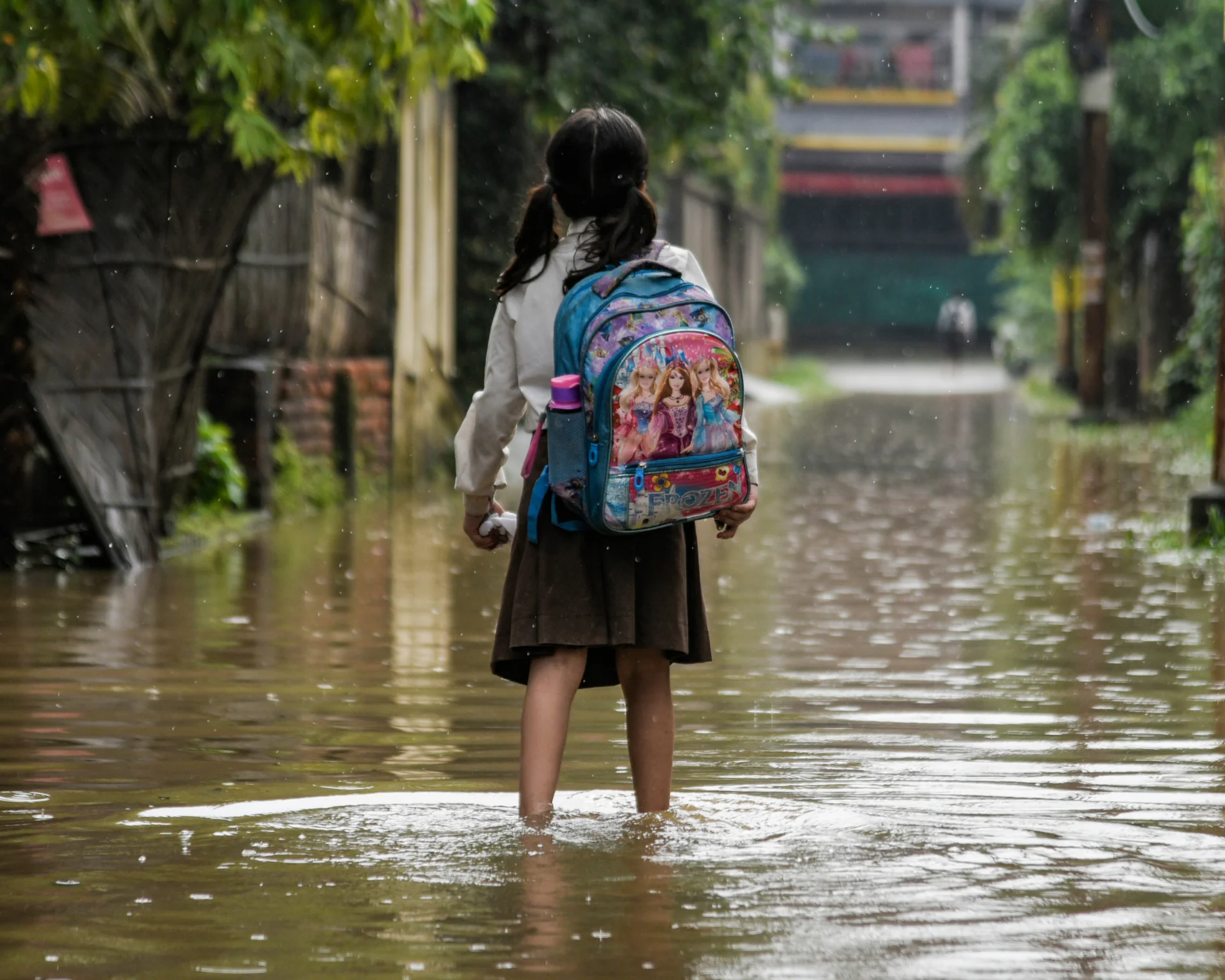
When Hurricane Harvey hit in 2017, people of color were more exposed to toxic floodwaters and were left with deeper worries for the future.
Read Time: 3 minutes
Published:
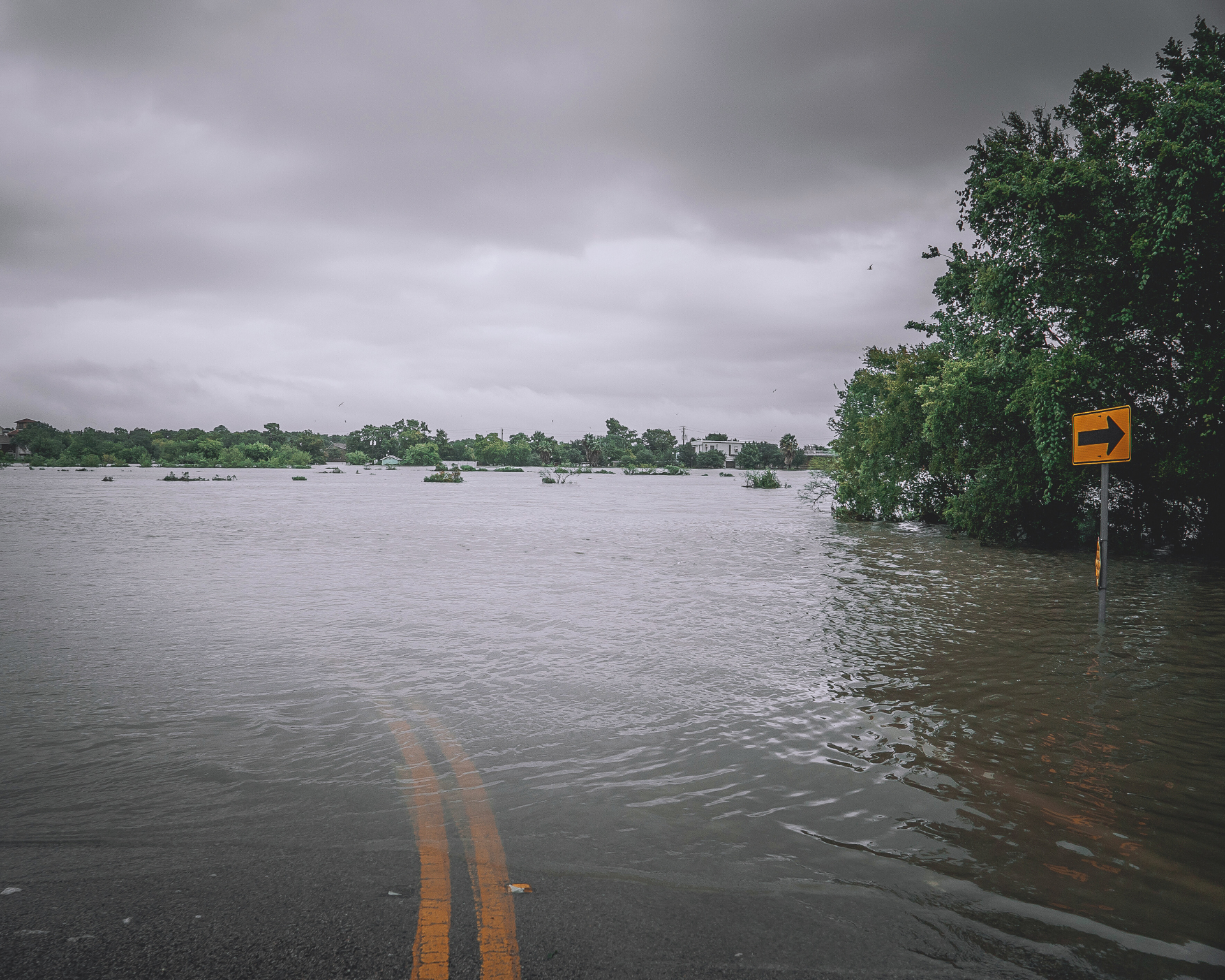
When Hurricane Harvey hit southeast Texas in 2017, it unleashed record-shattering rain that flooded 150,000 homes in Houston and swamped the industrial facilities along the region’s bayous. This area houses one of the largest concentrations of energy infrastructure in the United States, and as oil, gas, and chemical pipelines were damaged and storage tanks failed, more than 2,000 tons of hazardous materials mixed into the floodwaters.
As climate change fuels stronger, wetter storms, coastal industrial communities face a double threat: flooding and contamination. These natural-technological disasters (often referred to as natech disasters) complicate the recovery process and raise new questions about long-term health and safety.
Unlike purely ‘natural’ disasters, which often foster community solidarity and mutual support, natech events can erode social cohesion as residents perceive institutional failure and government inaction. For those who live through them, toxic releases during disasters can heighten stress and distrust, including fears that future floods will threaten their health, homes, and neighborhoods. These psychological effects may persist long after the waters recede and are linked to health problems, such as sleep disturbances, headaches, heart attacks, and strokes.
As stronger storms make natech disasters more likely, reducing their harms will require concrete policy changes.
To understand how contamination during Hurricane Harvey shaped long-term anxieties about future flooding, James Elliott and colleagues analyzed questionnaires from the Kinder Houston Area Survey. The cohort included 266 Houston-area residents who initially reported being negatively affected by the storm and also completed a follow-up questionnaire a year later. Participants were asked how certain they were that floodwaters had carried contaminants into their neighborhoods and how worried they were about future flooding.
One of the strongest predictors of high anxiety about future flooding was thinking that Hurricane Harvey was “toxic” to their community, as shown in the graph below. This was true even when accounting for respondents’ prior flood experience, home insurance, and fear of crime. Their anxiety was focused on health and the long-term safety of homes and neighborhoods. Furthermore, people of color were far more likely than White people to say with certainty that Harvey contaminated their neighborhoods.

Taken together, the findings show how climate-driven storms deepen existing inequities. Chemical and industrial facilities are concentrated in Black, Hispanic, and other marginalized neighborhoods. This is due to decades of exclusionary housing policies and zoning decisions that placed polluting infrastructure in communities with less political power. During Hurricane Harvey, people of color were more exposed to toxic contamination and were left carrying deeper worries for the future.
Hurricane Harvey illustrates a shifting baseline for extreme rainfall. Houston’s experience is consistent with projections of more intense, frequent storms, suggesting that natech disasters will be a recurring challenge for coastal industrial communities.
As stronger storms make natech disasters more likely, reducing their harms will require concrete policy changes. This could include providing timely information about toxic releases during storms, offering targeted mental health support to residents in heavily industrialized neighborhoods, and strengthening regulations that limit siting hazardous facilities in flood-prone areas. Storms will still hit, but these measures can help reduce exposure to toxic contaminants, build trust, and alleviate the anxiety that climate change is increasingly generating.