Vanadium, Invisible Pollution, and Cancer Risk
Exposure to environmental PM2.5—particularly vanadium, released from fossil fuel combustion—increases cancer risk.
Read Time: 2 minutes
Published:
- Components of PM2.5 pollution may increase the risk of lung, colon, prostate, and breast cancers.
- Environmental regulations that target the most toxic components of PM2.5 may be most effective in reducing cancer risk.
Our atmosphere is littered with noticeable pollutants, such as smoke, dirt, and dust. Particulate matter (PM) pollutants, especially those smaller than 2.5 micrometers (PM2.5), are over 30 times smaller than the average human hair and invisible to the naked eye. Despite their size, they are the most dangerous type of air pollution. The International Agency for Research on Cancer has classified PM2.5 as a group 1 carcinogen, a known cause of cancer in humans.
Environmental regulations treat PM2.5 as a single pollutant. In reality, PM2.5 is composed of numerous constituent particles, each released from different sources such as motor vehicles, power plants, and wildfires. Emerging research shows that each of these particles carries different levels of risk to human health.
Yijing Feng and colleagues studied the individual component risks of PM2.5 for over 15 million Medicare patients. At each patient’s residential zip code, researchers applied prediction models to local environmental monitoring data and estimated patients’ average 3-year exposure to 15 different elements of PM2.5. The team then analyzed how these pollutants affected cancer outcomes for Medicare patients in the study.
The risk of new lung, colorectal, prostate, and breast cancer diagnoses grew alongside increases in environmental PM2.5 exposure. In addition to the overall link between pollution and greater cancer risk, the team found that specific pollutants were more harmful than others. The figure shows the varying risks of cancer (x-axis) that different elements of PM2.5 (y-axis) contribute to. Vanadium (V) emerged as the biggest culprit for the development of all four cancers.

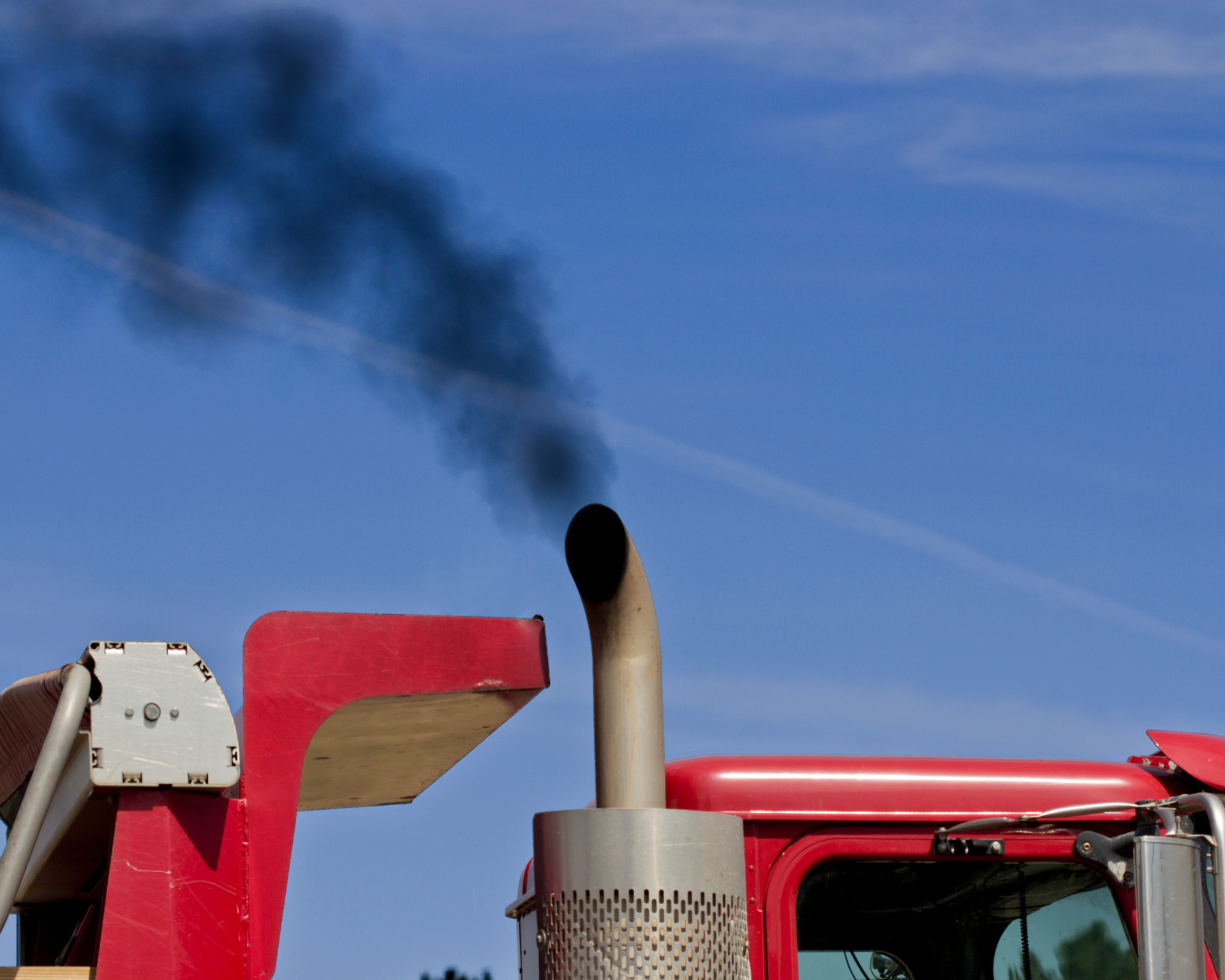
Vanadium particulate matter is released primarily from fossil fuel combustion, such as from car and truck exhaust pipes, and is absorbed in the human body through inhalation. Once in the body, vanadium induces inflammation, impairs DNA repair, and affects immune cell function—all processes that increase the risk for cancer.
This study demonstrates that various elements of PM2.5 unequally drive health outcomes. The authors recommend tailoring environmental laws to better regulate specific sources of pollution, like vanadium, rather than creating blanket pollution regulations that assume equal toxicity across PM2.5. Targeted interventions to reduce emissions of the most harmful elements would be a cost-effective strategy to reduce cancer risks in the population.