Hidden In Plain Sight
More than 2% of adults aged 40 or older have glaucoma, with Black adults facing an increased risk for the disease.
Read Time: 2 minutes
Published:
- While glaucoma can affect anyone, adults over 40 are at greatest risk.
- Eye exams are needed to detect glaucoma, as the disease often progresses without symptoms.
Approximately 4 million adults in the United States are living with glaucoma, a condition that can result in irreversible blindness. Half of those cases remain undetected. Because the condition has no early symptoms, the National Eye Institute stresses that education is the most powerful tool in preventing vision loss.
In a healthy eye, the optic nerve carries visual information from the eye to the brain. With glaucoma, this nerve becomes damaged, leading to gradual worsening of vision and eventually blindness. Most people with glaucoma may not experience any symptoms in the early stages. Symptoms such as severe eye pain, headaches, and blind spots usually mean the condition has progressed. Seeking medical attention is necessary to prevent further damage. Depending on the stage and type of glaucoma, treatment options—eye drops, oral medications, or laser treatment—can be extremely effective. People can be affected at any age, but adults over the age of 40 are at higher risk.
Joshua R. Ehrlich and colleagues conducted a meta-analysis to examine the frequency (or prevalence) of glaucoma across the United States. The researchers grouped results by age, race, ethnicity, and sex. Sources of data included the National Health and Nutrition Examination Survey and Medicare records for reported cases of glaucoma. The research team then used U.S. census data to estimate cases by county and state.
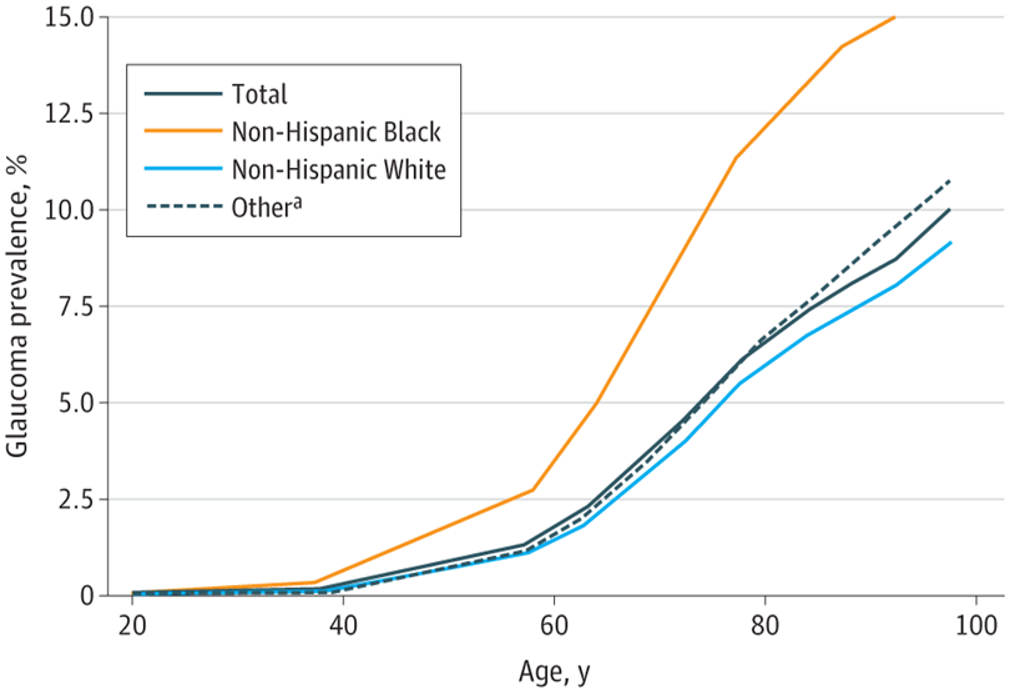
The research team estimated that more than 2% of adults 40 years or older have glaucoma. Black adults had a prevalence of 3.15%, more than twice the frequency among White adults (1.42%). These findings were consistent with studies showing that Black adults are at increased risk of developing glaucoma.
The authors stress the importance of ensuring that glaucoma prevention efforts reach people most at-risk. For example, the CDC’s Vision Health Initiative supports community programs to provide screening and treatment for glaucoma among high-risk populations. These include racial and ethnic minorities, people living in poverty, and people with limited access to eye care. The researchers note the true frequency of the condition may be higher than estimated due to poor reporting by older adults and persons in assisted living facilities.