The Weight Loss Drug Revolution, Examined
Drugs can treat obesity. Structural change can prevent it. The most promising answers may live at the intersection of both.
Read Time: 5 minutes
Published:
My living room erupted in groans. Again.
The third ad mentioning weight-loss drugs flickered across the screen. We had now seen Serena Williams for Ro, Kenan Thompson for Wegovy, and Hims & Hers promising affordable weight-loss pills. Somehow, the 2026 Super Bowl became a referendum on American bodies, and my friends and I watched as if it were a scoreboard.
Convinced the entire country had shared our discomfort, I brought it up over brunch the next morning. My friend who works in the pharmaceutical industry set down her mug and tilted her head.
“Why are the ads bad? Isn’t obesity a crisis? Aren’t these companies bringing a miracle drug to everyday people?”
Every instinct told me to lecture, using my public health training. To deploy my frameworks like defenses: the social determinants of health, the racial dynamics of predominantly Black celebrities selling weight loss, the biases being reinforced.
But her expression stopped me. She wasn’t dismissing my opinion. She genuinely didn’t see the problem the same way I did. And maybe that meant the problem was more complicated than my quick judgment suggested.
Obesity remains one of public health’s most persistent challenges. Over 40% of U.S. adults meet criteria for obesity. These new drugs are controversial not because of ignorance or bad faith, but because reasonable people hold different experiences and perspectives.
For some, medications represent long-awaited relief.
Lifestyle changes like diet and exercise have long been the foundation of obesity treatment, but they rarely produce lasting results on their own. Surgery offers dramatic results but is invasive and has many risks.
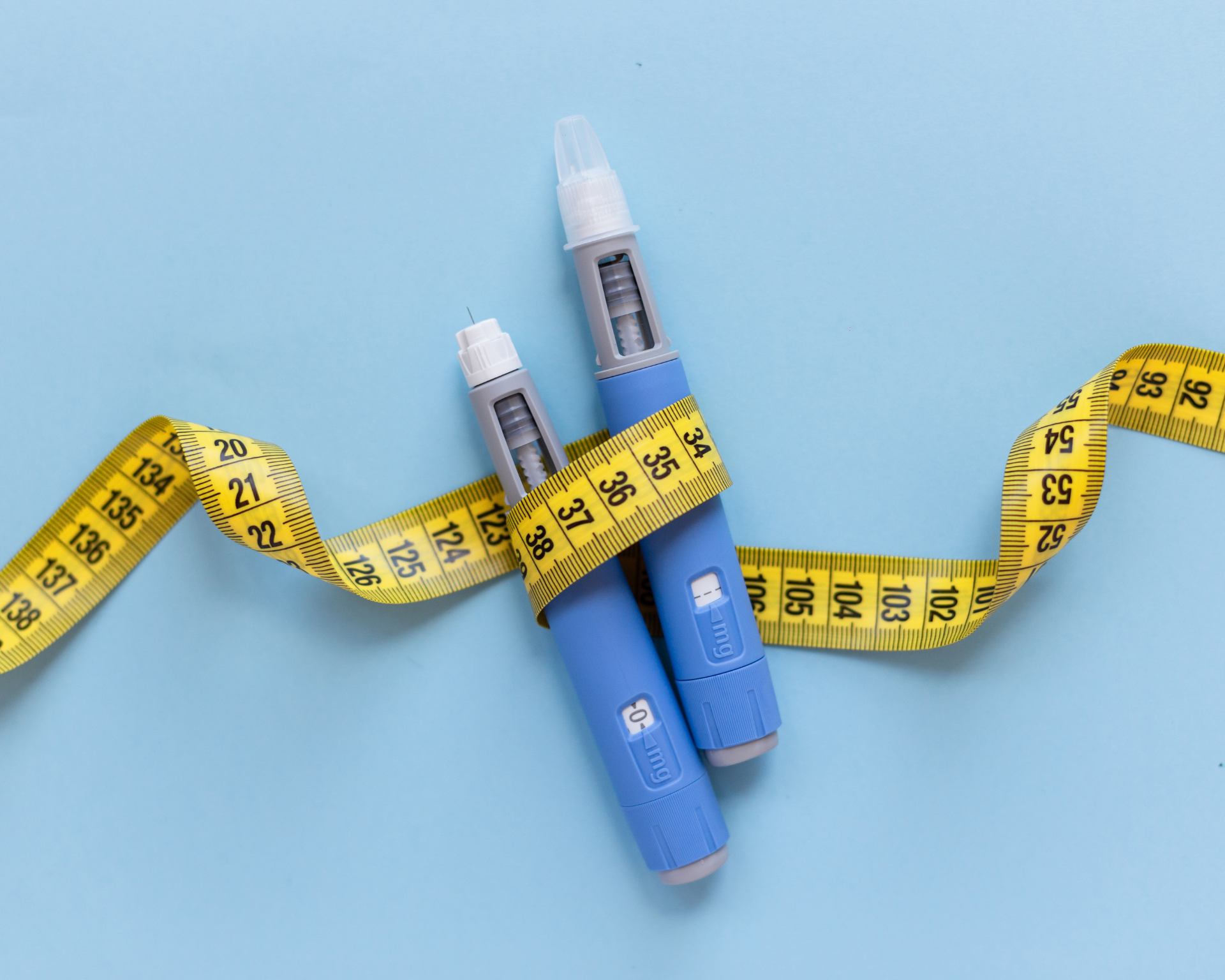
Enter medications like Ozempic and Wegovy (GLP-1 receptor agonists). In clinical trials, patients taking such medications lost 15 to 25% of body weight in under 2 years. Beyond weight loss, these drugs are also showing meaningful effects on chronic illnesses that often accompany obesity: type 2 diabetes, fatty liver disease, and heart failure. For millions of patients, these medications represent the first serious solution to their suffering.
Drugs can treat obesity. Structural change can prevent it. The most promising answers live at the intersection of both.
For others, medications represent the further medicalization of bodies that were never broken to begin with.
Body size is not just a medical issue. It intersects with gender, race, age, and class, and many people who qualify as obese based on body mass index (BMI) don’t actually have weight-related health complications. The public rush toward these medications reflects a deep cultural anxiety about weight and appearance, one that media and advertising have only intensified.
Even though medication helps, it is not a long-term solution. Studies show the weight often returns when people stop taking these drugs, meaning patients may face a lifetime of dependency and cost. Meanwhile, the societal conditions that lead to obesity and the need for weight-loss drugs in the first place go unaddressed. Food deserts and lack of spaces for physical activity, prevalent in communities of color and low-income neighborhoods, aren’t solved by a weekly injection. Activist communities fear that the success of these drugs will become an excuse to stop addressing the upstream drivers of obesity.
The path forward.
As I reflect on the conversation with my friend, I’ve realized our perspectives don’t have to compete. The real question is not which approach to thinking about weight loss drugs is correct. We should instead be looking for the best ways to reduce suffering, expand access to care, and improve health without deepening stigma or inequity.
Drugs can treat obesity. Structural change can prevent it. The most promising answers live at the intersection of both. Researchers and policymakers are already combining GLP-1 drugs with Food is Medicine programs, pairing medication with nutrition and food counseling. Novo Nordisk, the company behind Ozempic, is also investing in prevention. Their Childhood Obesity Prevention Initiative partners with city governments, nonprofits, and academic institutions to prevent obesity in urban communities worldwide.
These are promising starts, and more radical approaches are necessary. Creating lasting solutions will require creativity and a willingness to break down the walls between experts who rarely talk to each other. It means clinicians and drug developers sitting at the same table as sociologists and neighborhood organizers to ask different questions together.
My friend wasn’t wrong to see relief in accessible treatment. I wasn’t wrong to question what we’re really trying to fix. The Super Bowl ads still bother me, but I understand now that they offer real hope to millions. Public health must hold that tension without collapsing it.
Congratulations to Shrutika Damle for being selected as this year’s student essay contest runner-up! Thank you to all the students who took the time to enter this year’s contest. The views expressed here are the author’s own and do not necessarily represent the views of Public Health Post or Boston University School of Public Health.