The Doctors Rural America Depends On
Tarun Ramesh discusses how international medical graduates bolster rural health, and the policy challenges and opportunities they face.
Read Time: 6 minutes
Published:
Approximately 1 in 5 Americans live in rural areas without adequate access to health care, due in part to widespread hospital closures and staffing shortages in recent years. Rural residents are also less likely to have health insurance. As a result, people in these communities experience more preventable hospital visits and are more likely to die prematurely from chronic diseases than those in urban areas, particularly low-income and older populations.
Immigrant physicians make up a quarter of the nation’s doctors and play a critical role in meeting the demand for health care workers in rural areas. Despite providing this vital service, immigrant physicians still face significant barriers to practicing in the United States, including licensing requirements, the need to redo training, and visa restrictions.
For example, many immigrant physicians enter the U.S. on J-1 visas for medical residency training. But once they complete their programs, they must leave the country unless they obtain a waiver or transition to another visa, such as an H-1B visa, which allows them to work in the U.S. for up to six years while pursuing a green card.
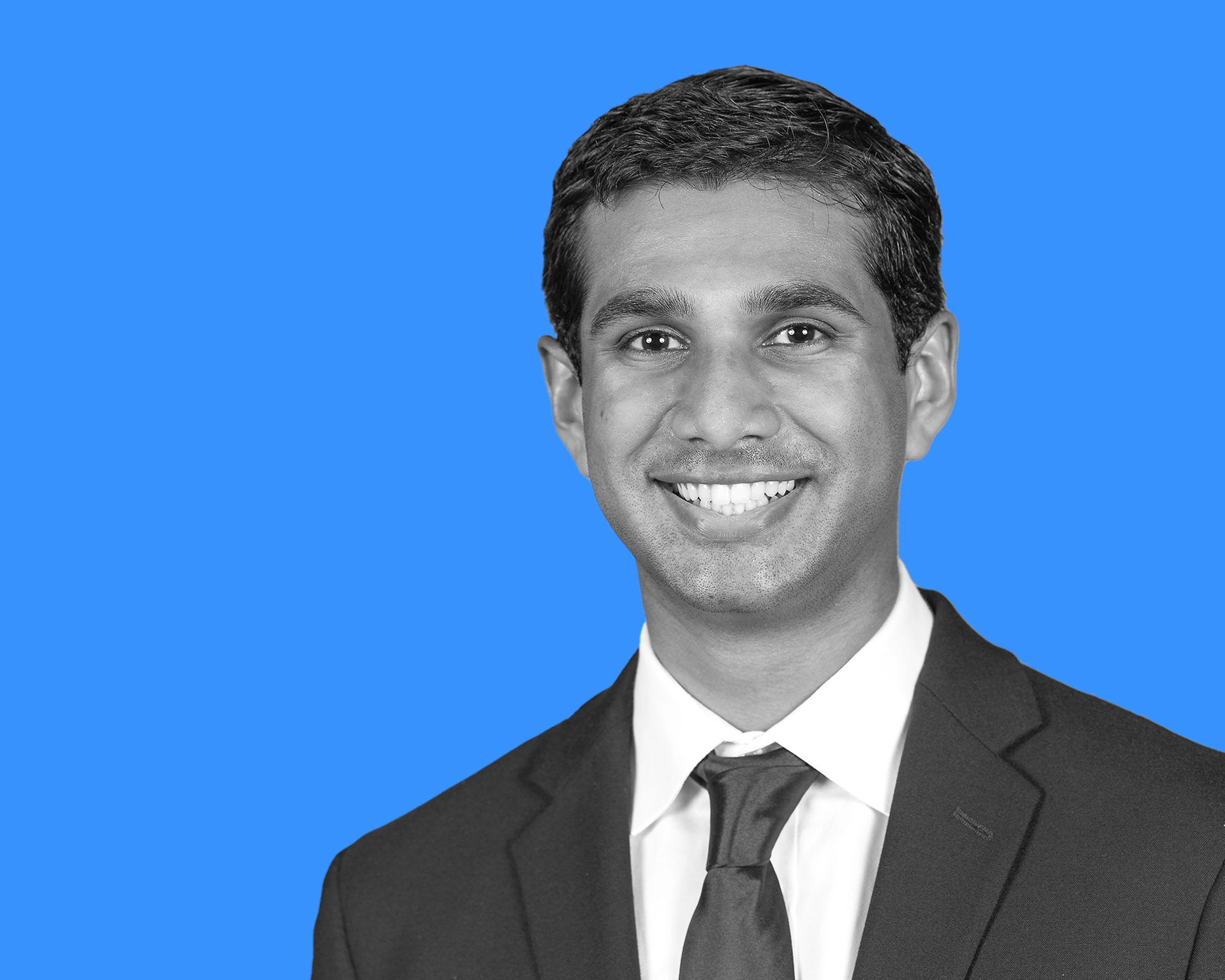
“The vast majority of international medical graduates practice in health professional shortage areas, or in underserved communities, through a variety of federal programs,” said Dr. Tarun Ramesh, a resident at Massachusetts General Hospital. “They are filling a very crucial gap, especially in rural America.”
Dr. Ramesh first became interested in health policy and rural health care access as an undergraduate when he worked at Medicare and on the No Surprises Act, advocating for medical price transparency. Now, as a researcher at Harvard Medical School, his work focuses on the physician workforce, disparities in rural health access, and how these factors intersect to shape the distribution of physicians across specialties and geographies.
Public Health Post spoke with Dr. Ramesh about how international medical graduates improve rural health care access, and the challenges and opportunities posed by federal immigration policies and state-level reforms.
PHP: How do current programs help connect immigrant physicians to underserved and rural communities with the greatest workforce shortages?
Dr. Ramesh: There is a variety of pathways through which international medical graduates end up working in underserved rural areas. One is the Conrad 30 visa waiver program, which allows physicians to convert their J-1 to an H-1B in the U.S. as long as they commit to 2-3 years of work in an area with a shortage of health professionals or in a medically underserved community. It’s a smart policy to funnel physicians who face barriers to practicing medicine in the U.S. into areas where people face barriers to physician access.
Recent changes to the H-1B visa, including higher filing fees and stricter rules, have raised concerns about whether immigrant physicians can continue to fill gaps in underserved areas. Do recent restrictive immigration policies threaten programs like Conrad 30?
The sad truth of the last few years is that we’ve seen significant restrictions on immigration, not only in the United States but across the world. The states that use the most Conrad 30 visa waivers are predominantly states with the highest need. So states like Kentucky and Texas are oftentimes filling all of their visa waiver spots, and those are the same states where there’s a lot of discussion in favor of H-1B visa restrictions. There’s this mismatch between perception and reality, which is that these physicians are filling gaps in underserved areas.
By increasing the H-1B filing fees, we’ve already seen a freezing effect. Multiple residency programs are no longer taking H-1B applicants because they are not able to fund their filing fees. That being said, immigrant physicians are not, in and of themselves, the ideal solution. We need investment in public health infrastructure and the domestic physician workforce. There have been efforts by Congress to do this, including increasing the number of residency spots in rural areas.
Are there other places where the Conrad 30 visa program is working particularly well?
Some states, like Kentucky, New York, California, and Texas, fill basically every single waiver spot every year. This is a function of both the need for physicians and state policymakers and legislators who understand that this is a very productive policy and that stripping it away will probably be deleterious to patients’ access to care. Historically, only primary care physicians have been eligible for the Conrad waiver program. But some states, like Wyoming, that are not filling all 30 waiver slots and still have extreme health care needs, are more flexible and allow specialists to apply for the waiver program. I think that’s a great idea because it increases interest and demand for the program.
Beyond visas, what state-level policies are helping internationally trained physicians enter the workforce in high-need areas?
In the past, immigrant physicians from other countries who are cardiologists, for example, would have to redo internal medicine residency, and then redo their cardiology fellowship before they could practice in the U.S. States like Tennessee have created a new law in which international medical graduates can practice under a provisional license without having to repeat residency or a subspecialty fellowship. They would practice for two years under someone who is board-certified in their specialty, and then that would convert into a full license.
We’ve seen multiple states, including Massachusetts, pass this policy, as well. I also worked with Arkansas to craft a version of this policy that would allow physicians trained in other countries to practice in the U.S. under a provisional license that would convert to a full license after they had worked in a health professional shortage area or a medically underserved area.
What makes you hopeful about the future of rural health care delivery?
There’s bipartisan support for rural health care and rural health infrastructure. Everyone is very clear that we need more support and investment in rural health infrastructure; otherwise, we’re going to have worsening disparities in health care access. Congress recently passed legislation to increase the number of residency spots in rural areas, and there has been bipartisan compromise over drug price negotiation. That will probably help rural areas substantially.
How does your work in the policy space affect your own practice of medicine?
Having a fundamental understanding of the health care system is important to delivering good patient care. We have many patients who don’t really understand how to enroll in Medicaid or get prescriptions covered. Individuals who work in both health policy and clinical medicine can impact patients at a very micro level. But taking a larger step back, the clinical interactions that I have also inform the way I think about health policy. I think it’s really wonderful to take those experiences and translate them into policy action.