When Counting Naloxone Supply, Count on Community
Naloxone can reverse opioid overdose, but the many ways that people access this life-saving medication are unaccounted for in most data.
Read Time: 2 minutes
Published:
- Naloxone is a lifesaving medication used to treat opioid overdose.
- While most people have heard of naloxone, few have purchased the medication themselves, often accessing it outside of pharmacy settings.
In 2023, an average of 217 people died every day in the United States from opioid overdoses. Although overdose deaths have fallen over the last few years, the medical emergency remains the leading cause of preventable death for Americans ages 18 to 45. Life-saving medications can reverse opioid overdose, but many avenues for access are unaccounted for in official data, creating critical gaps in information needed to inform policy.
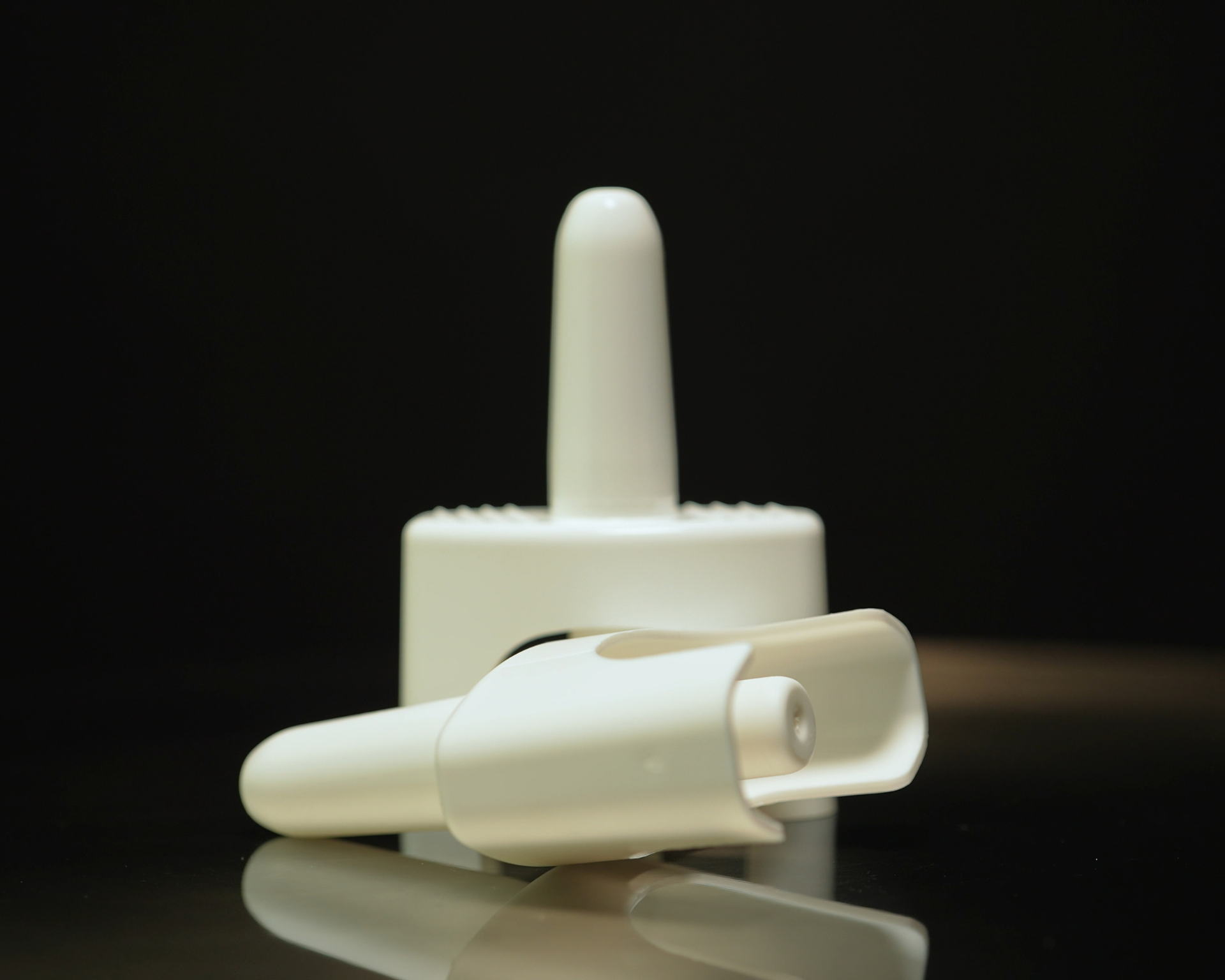
Naloxone can treat an overdose by attaching to opioid receptors in the brain. Narcan, a form of naloxone nasal spray, was first approved as a prescription medication in 2015 and approved for over-the-counter use in 2023.
To get a better picture of how widespread national information about naloxone is, Mireille Jacobson and David Powell interviewed over 500 people who identified themselves as “opioid-dependent.” Participants were surveyed about their knowledge of naloxone and their willingness to carry and use it to help themselves and others. They were also asked about their perceived risk of overdose to understand their potential need for the medication.
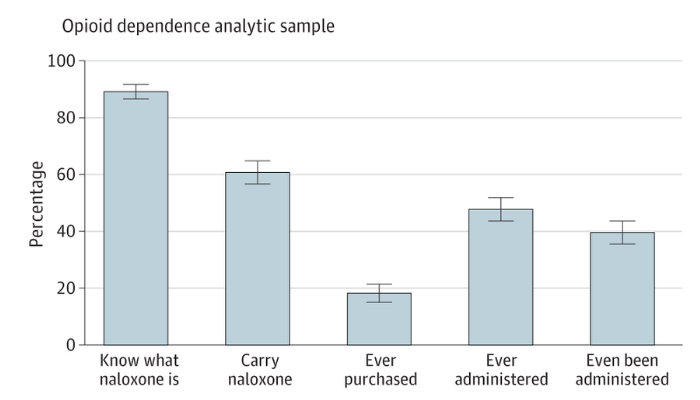
The study found a sizeable gap between naloxone familiarity and purchase of the medication among this group using opioids. Nearly 90% of the 500 people had heard of naloxone, and over 60% carried it, as shown on the graph below. Additionally, nearly half of this group have administered naloxone to someone else, while 40% have received the medication themselves. However, less than 20% reported having purchased the medication. This difference suggests this population is getting access to naloxone without having to buy it.
This study’s data captures only pharmacy purchases. It does not account for access through hospitals, over-the-counter sales, or dispersal by community organizations. Without data from these other avenues for naloxone access, the authors argue that it is difficult to monitor access to this medication.
Some supply programs exist at the state level. For example, California’s Naloxone Distribution Project distributes free medication to schools, EMS services, and community organizations. Other programs hand out naloxone at public events, such as the organization This Must Be The Place, which provides the medication to crowds at music festivals. Additionally, vending machines filled with Narcan are becoming widely available at universities across the country. More frequent surveys of naloxone use that consider all avenues of access can help create a better picture of how this life-saving resource reaches the at-risk community.