Navigating the Margins
When neurodivergence intersects with Blackness, the stakes of being misunderstood often become higher in both subtle and overt ways.

Read Time: 5 minutes
Published:
Sometimes being neurodivergent can feel like being a needle in a haystack—easy to overlook at first glance, yet unmistakably different upon closer inspection. Even when trying to blend in, neurodivergent people are often perceived as “off,” a vague judgment that can carry real consequences. These perceptions frequently lead to exclusion, peer rejection, or bullying. While many people experience this kind of social misreading, it does not happen in a vacuum. It is shaped by broader ableist systems like education discrimination or eugenics that define which ways of thinking and behaving are acceptable. And these systems often intersect with other forms of inequality.
Neurodivergence encompasses a wide range of cognitive differences, including autism, ADHD, intellectual disability, and giftedness. Often overlooked, giftedness is considered a form of neurodivergence marked by distinct thinking, perception, and emotional intensity beyond the norm. In the United States alone, 50 million people identify as neurodivergent. Across racial and cultural backgrounds, many share the experience of being misunderstood due to differences in communication, sensory processing, or emotional regulation. However, when neurodivergence intersects with Blackness, the stakes often become higher in ways that are both subtle and overt.
Traits commonly associated with neurodivergence, such as difficulty reading social cues, heightened sensitivity to sensory input, or intense emotional responses, are not interpreted equally across all groups. For Black individuals, these behaviors are more likely to be viewed through a lens of suspicion or negativity. As a Black woman with ADHD, I have experienced this firsthand. While working on a group project where I was the only person of color, a peer described my neurodivergent groupmate as “quirky” but told me I seemed “disengaged” and “a bit aggressive,” even though we were both struggling to follow the fast-paced discussion.
Neurodivergent traits do not exist outside of these biases; they are filtered through them, often amplifying negative assumptions.
These differences are rooted in longstanding racial stereotypes and implicit biases that shape how Black people are perceived. Neurodivergent traits do not exist outside of these biases; they are filtered through them, often amplifying negative assumptions. The result is compounded marginalization that can make everyday life, at school, work, or in public, feel unpredictable and anxiety-inducing.
For many of us, this dynamic often begins in educational settings. I remember zoning out in a middle school class when a teacher paused the lesson to publicly mark it as defiance. Internally, I was struggling to refocus, but the response I received was punitive rather than supportive. Black children who show signs of neurodivergence, such as difficulty focusing or responding to sensory stimuli, are more likely to be labeled “disruptive” or “defiant” rather than evaluated for developmental differences. Some are misdiagnosed with behavioral disorders like conduct disorder, while others are not assessed at all. Research consistently shows that Black students face harsher discipline and are less likely to receive timely and accurate neurodivergent diagnoses than their White peers.
Early identification matters. When neurodivergence is recognized and supported in childhood, it can lead to accommodations, resources, and a stronger sense of self-understanding. When it is overlooked or punished, the effects can be long-lasting, shaping academic outcomes, self-esteem, and future opportunities. Over time, these disparities contribute to broader patterns of economic instability and mental health challenges.
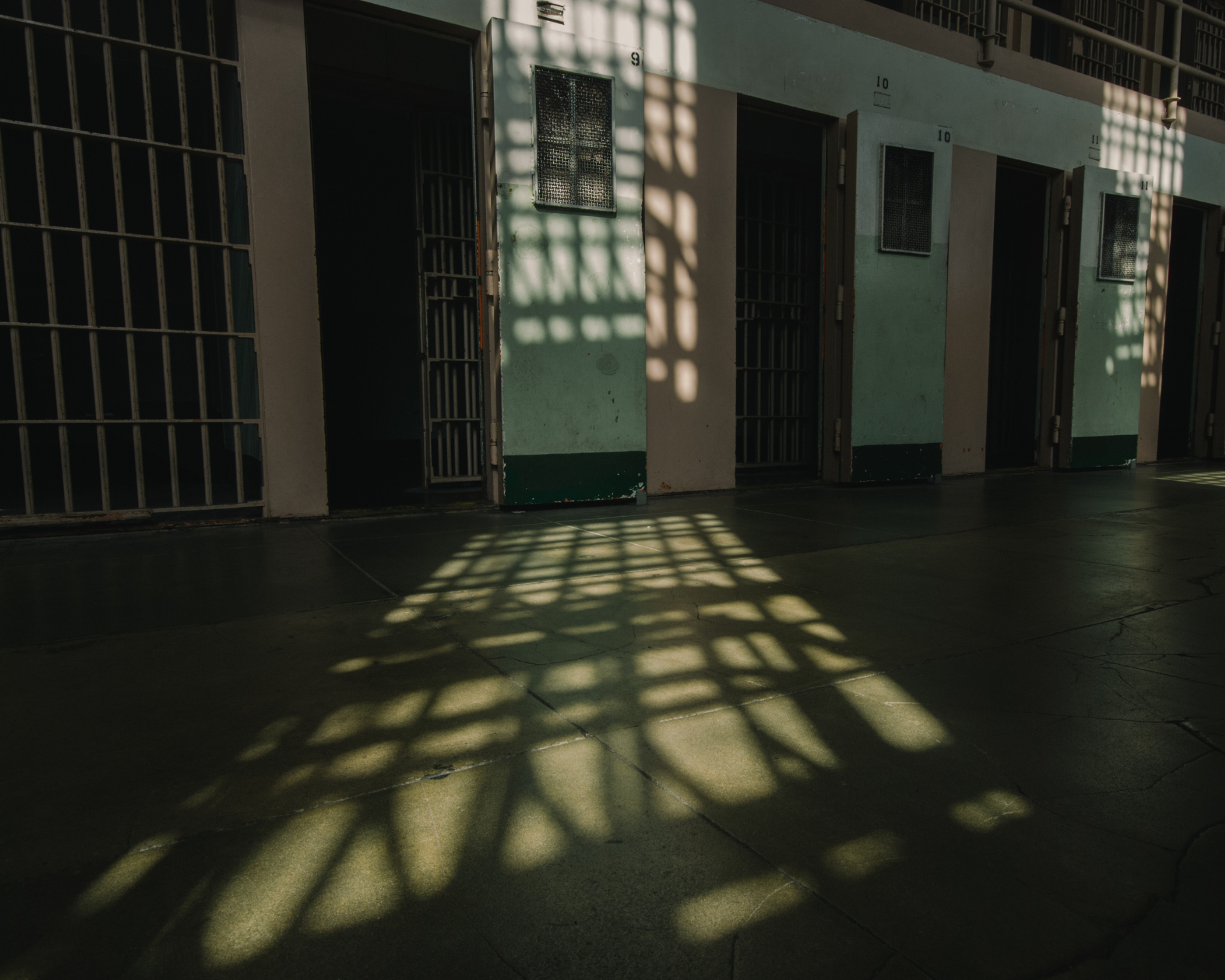
The risks become even more severe in interactions with law enforcement. Neurodivergent responses in high-stress situations can be misinterpreted as noncompliance or threat. Flashing lights and shouted commands can trigger involuntary movements or an inability to comply quickly. When combined with racial bias, these misunderstandings can escalate quickly, where officers respond with force rather than compassion.
A more just future requires systems willing to evolve and communities willing to listen.
The 2019 death of Elijah McClain reveals how quickly misinterpretation can turn deadly. A gifted, gentle, introverted young Black man, who was stopped by police while walking home and became frightened, trying to explain himself. Within minutes, officers restrained him with a carotid hold as he said he couldn’t breathe and vomited. Paramedics who were called to the scene injected him with a high dose of ketamine rather than treating his distress. He went into cardiac arrest, was declared brain dead, and died days later, an outcome further shaped by bias, misunderstanding, and inadequate care.
Despite these challenges, hope lies in the growing movement to reframe neurodivergence as a difference rather than a deficit, alongside calls for racial justice. Increasingly, Black neurodivergent individuals are sharing their experiences, advocating for themselves, and building communities that affirm their identities. These voices are helping expose research gaps, particularly the lack of data on Black neurodivergent adults.
Change begins with recognition. When educators, employers, health care providers, and law enforcement understand both neurodiversity and the impact of bias, they are better equipped to respond with empathy rather than judgment. Small shifts in awareness can lead to meaningful changes, from more equitable diagnostic processes to workplace accommodations and alternative approaches to crisis response.
A more just future requires systems willing to evolve and communities willing to listen. No one should have to fear that being misunderstood because of how they think, feel, or process the world could cost them their safety or livelihood. By prioritizing culturally-informed approaches to neurodiversity and compassion over punishment, we can create environments where Black neurodivergent individuals are accepted as well as fully seen and supported.