Closing the Gap in Childhood Cancer Care
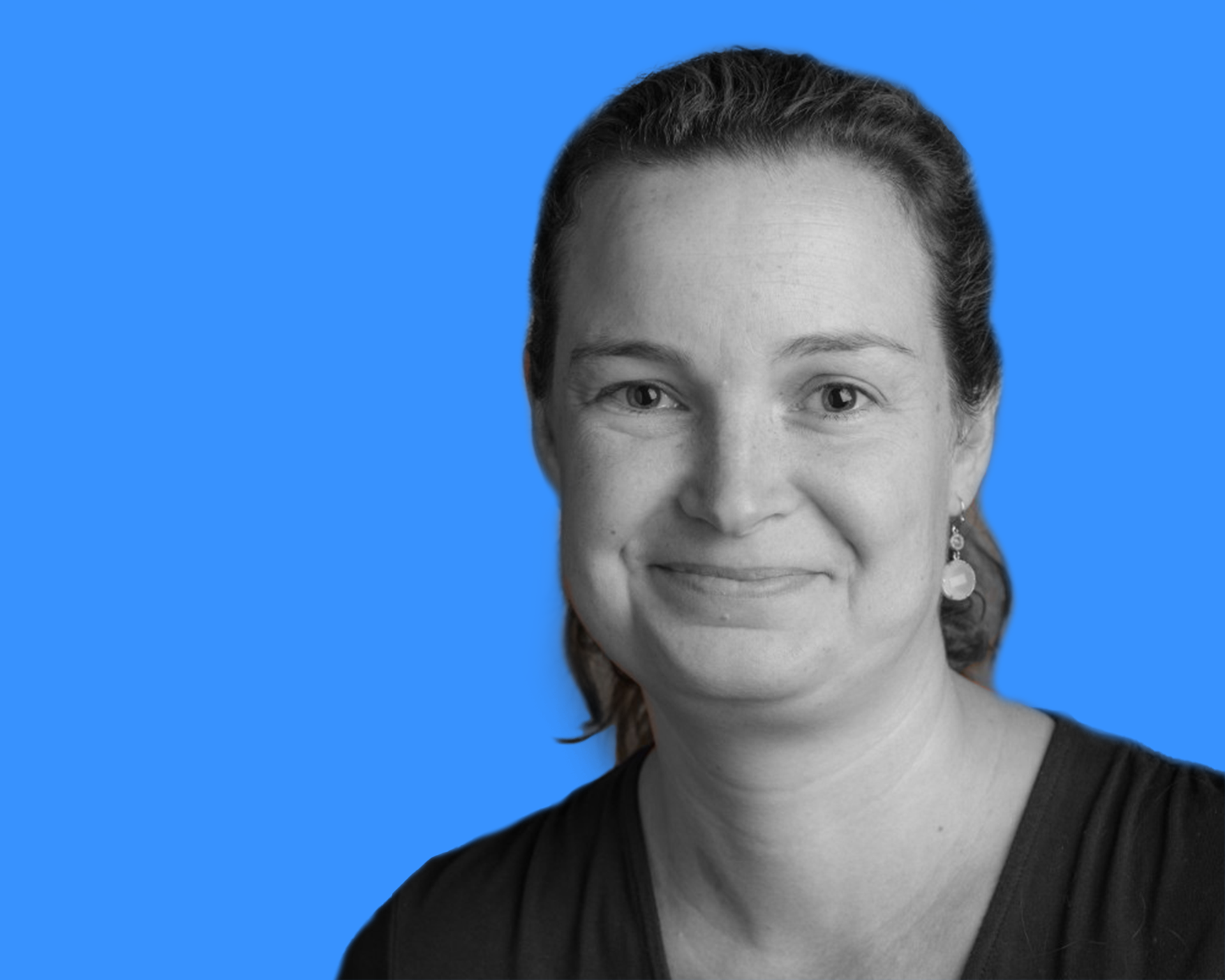
Kira Bona, director of the Pediatric and Young Adult Cancer Health Outcomes Research Center at Dana-Farber Cancer Institute, studies what happens when childhood cancer care meets the pressures of poverty.
Read Time: 6 minutes
Published:
For decades, health equity research has had to compete for limited funding and recognition within medical and research institutions, even as the evidence continues to demonstrate how deeply social conditions shape who gets sick, who gets treated, and who gets better. Kira Bona, physician, associate professor, and director of the Pediatric and Young Adult Cancer Health Outcomes Research Center at Dana-Farber Cancer Institute, has built her work inside that tension. As a pediatric oncologist and researcher, Bona studies what happens when childhood cancer care meets the pressures of poverty, and why equal access to medicine does not always translate into equal outcomes.
Her interest in these social conditions grew from the gap between what pediatric cancer care promises and what some families can manage through treatment. Through her clinical work and research, Bona examines how low income, unmet basic needs like food insecurity and access to reliable transportation, and other social drivers can affect treatment and long-term health. As she puts it, the goal is to identify risk factors and “ways that we can intervene to level the playing field and cure the most children of cancer.”
Early in her training, Bona cared for a young girl with leukemia, a cancer doctors know how to treat well. From a clinical standpoint, the case looked familiar. From a family standpoint, it did not. The child’s mother was raising her alone, the family struggled to meet basic needs, and even getting to weekly chemotherapy appointments depended on whether an aging car would start. Bona worried about her patient constantly. The child later relapsed, then relapsed again, before eventually becoming a survivor who remained cancer-free long after treatment. Looking back, Bona said that experience “begged the question” of whether the standard message in pediatric oncology—that children treated on clinical trials receive the highest standard of care—was “actually working for everybody.”
If pediatric cancer care has developed the treatment shown to cure more children, it also has to confront the barriers that keep some families from benefiting equally from that progress.
What began as concern for one family soon grew into a broader line of inquiry for Bona. She wanted to know whether poverty and unmet basic needs were shaping outcomes even when children received the same treatment. Reanalyzing published clinical trial data, Bona and her colleagues found that some children did not benefit equally from the same therapies. Those children were more likely to have Medicaid-only insurance, a marker of lower household income. In other words, even at major academic centers and within clinical trials, economic hardship continued to shape which children benefited most from treatment.
Now, Bona says, the field has clearer evidence of the problem. “We know now that just about one in three children who walk through the doors of a cancer center with a new diagnosis of cancer lives in a low-income household,” she says. By another measure, one in three lives in a household struggling with at least one unmet basic need, such as food, housing, or utility insecurity. Children living in poverty at diagnosis are more likely to relapse and die, even when they receive the best available therapy.
Why this happens remains an active area of pediatric cancer research. Bona described two broad possibilities. One is structural. Families may face barriers that make it harder to receive every dose, every visit, and every urgent evaluation exactly as planned. The other is biological. Cancer cells themselves may respond differently to treatment in ways researchers still do not fully understand. “We don’t actually know which of those is most important right now,” she says, “and we’re actively doing studies to look at both of those buckets.”
These pressures can be easy to picture. A family may not have a working car, making it harder to reach the clinic or emergency department on time. Another may be able to get to appointments but still lives under the threat of eviction. Strains like these can disrupt treatment and make an already demanding process harder for families to manage.
Bona’s lab is currently researching an intervention called RISE (Resource Intervention to Support Equity), which is a cash support intervention for families of children newly diagnosed with cancer who live in low-income households. The pilot study seeks to explore whether poverty exposure raises the risk of relapse and whether reducing poverty exposure during the first months of treatment may improve outcomes. “The idea of giving cash is that families can allocate it to whatever is the primary need in their household,” Bona highlights, suggesting that the funds may go toward car repairs, groceries, or whatever keeps treatment on track.
Care is not only about delivering the right therapy. It is also about making sure all families have an equal chance to benefit from it.
Bona and her research team are also following the Cardiovascular Health Equity through Food (CHEF) study led by Rahela Aziz-Bose, which focuses on survivorship. More than 80% of children diagnosed with cancer today will become long-term survivors. However, lower-income survivors still face higher risks of early death and severe late effects, especially cardiovascular disease. CHEF turns to life after treatment. It helps families of early childhood cancer survivors access reliable food through meal kits and grocery gift cards, addressing food insecurity as one part of reducing later cardiovascular risk.
Bona sees the next frontier of pediatric cancer care in what the field chooses to measure and act on. She wants social drivers of health, including poverty, built into clinical trials from the start, so researchers can better understand which families face added risk during treatment and survivorship. She also hopes studies like RISE and CHEF will show why supporting families through treatment must extend beyond what cancer care has traditionally considered part of medicine. In that vision, care is not only about delivering the right therapy. It is also about making sure all families have an equal chance to benefit from it.
If pediatric cancer care has developed the treatment shown to cure more children, it also has to confront the barriers that keep some families from benefiting equally from that progress. For Bona, the mission remains simple: every child diagnosed with cancer deserves a fair chance to be cured and to go on to live a healthy, fulfilling life long after treatment ends.