Rethinking Consciousness: A Conversation with Dr. Joseph Giacino
Joseph Giacino, director of the Disorders of Consciousness Program at Spaulding Rehabilitation Hospital, shares how updated guidelines may reshape care for those with severe brain injury.
Read Time: 7 minutes
Published:
Disorders of consciousness (such as a coma, vegetative state, or minimally conscious state) have long been misunderstood by the public, policymakers, and even within medicine itself. Whether in films like Kill Bill or medical dramas such as Grey’s Anatomy and House, popular culture often portrays unrealistic, dramatic coma awakenings. Patients suddenly regain full consciousness, speak clearly, and move without difficulty. In reality, recovery is usually gradual. Many patients experience prolonged confusion, memory loss, or require extensive physical and cognitive rehabilitation. Some never fully return to their pre-injury abilities, which often brings an air of pessimism when dealing with disorders of consciousness (DoC).
Pessimistic attitudes concerning recovery are reinforced by outdated clinical practices that were established in 1995, which often rely on brief bedside observations to determine whether or not to continue care. Research suggests that as many as 25% of patients may have had life-sustaining treatment withdrawn prematurely, even though more thorough and frequent evaluations could have revealed potential for recovery. For example, a patient with a DoC might die because the medical team advised the family that further recovery was not expected, leading to a recommendation to withdraw treatment. Scientists have learned that behavioral responsiveness often fluctuates in patients with DoC and that these disorders are not entirely distinct but rather exist along a complex, dynamic spectrum.
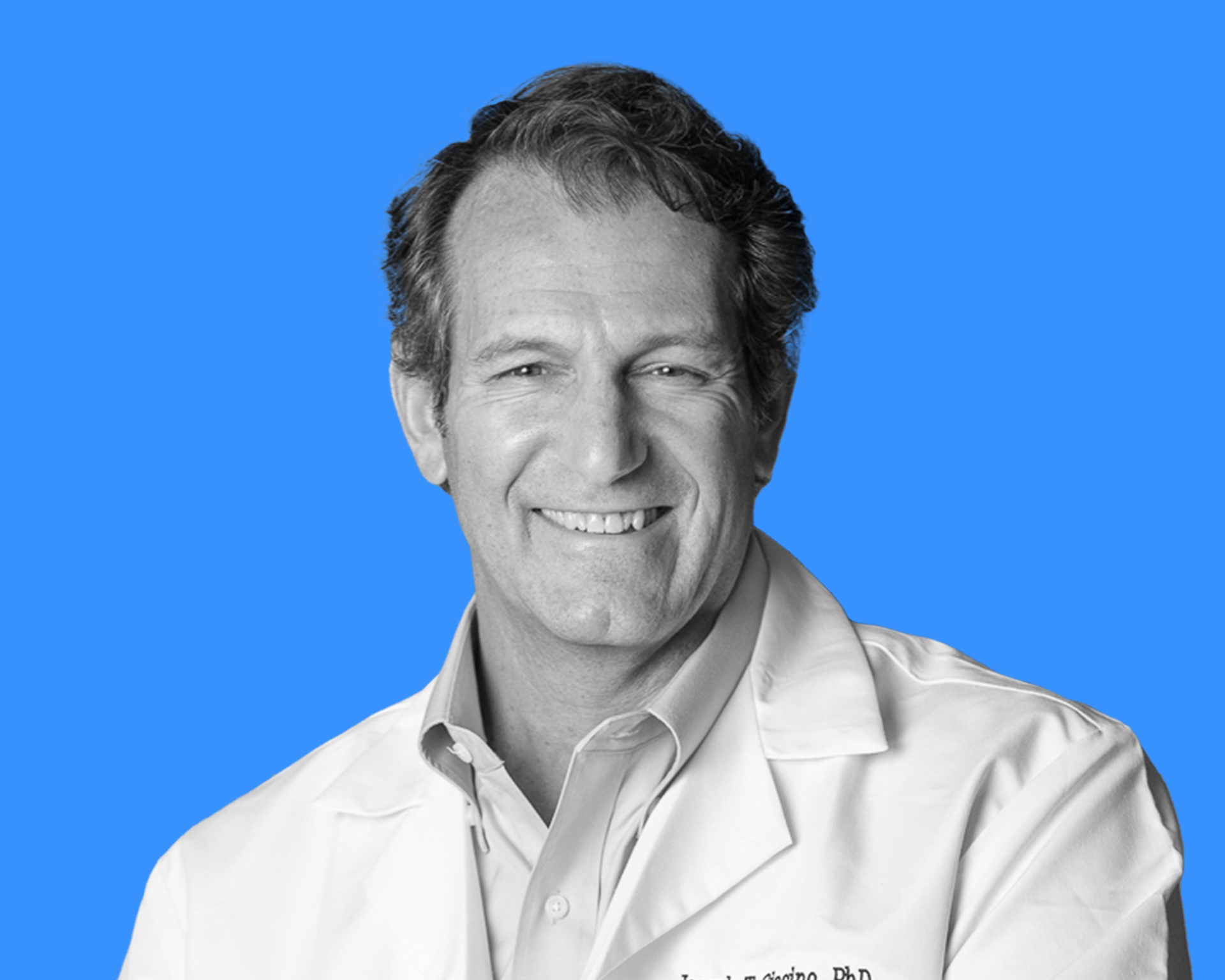
Joseph Giacino, director of neuropsychology and the Disorders of Consciousness Program at Spaulding Rehabilitation Hospital and professor of physical medicine and rehabilitation at Harvard Medical School, co-led a landmark effort that is reshaping the approach to management of patients with DoC. The 2018 Practice Guideline Update on Disorders of Consciousness, co-sponsored by the American Academy of Neurology, American Congress of Rehabilitation Medicine, and the National Institute on Disability, Independent Living and Rehabilitation Research, provides health care workers with improved tools like standardized neurobehavioral assessment measures to navigate the spectrum of consciousness, enabling more accurate diagnoses and realistic yet hopeful prognoses. The guidelines establish a comprehensive, evidence-based framework to improve both treatment and ethical decision-making in this complex field.
Public Health Post spoke with Dr. Giacino about DoC, how the updated guidelines may reshape care, evolving terminology in the field, and the factors that influence treatment decisions, including decision-making fatigue among families and clinicians.
Public Health Post: For those unfamiliar with the field, what are disorders of consciousness (DoC)?
Dr. Giacino: Disorders of consciousness describe conditions in which a person’s level of awareness is altered after a serious brain injury. Consciousness has two basic parts: arousal, also known as wakefulness, and awareness, meaning conscious awareness of oneself and the environment. Most of us have both. We open our eyes, respond to others, and understand what’s happening around us. When someone loses one or both of these abilities, they may have a DoC.
Four states fall under the umbrella of DoCs, which include: coma, vegetative state (also known as unresponsive wakefulness syndrome), minimally conscious state, and the confusional state. At the most severe end of the spectrum is a coma. A person in a coma is neither awake nor aware. Their eyes remain closed, and they do not respond to stimuli in meaningful ways. Comas are usually temporary and often last only a few weeks.
Some patients progress to a vegetative state where they appear awake but show no clear signs of awareness. Others enter a minimally conscious state, where they show small but definite signs of awareness, such as following a command or tracking someone with their eyes. As recovery continues, they may regain reliable basic communication or the ability to use familiar objects (like a cup) appropriately, and enter the confusional state, which is marked by disorientation and severe attentional disturbance. When a DoC lasts longer than 28 days, it is referred to as “prolonged DoC.”
What prompted the need for updated guidelines in prolonged disorders of consciousness?
For years, we knew diagnostic error rates were unacceptably high, approaching 40% in some studies. Many conscious patients were being misdiagnosed as “vegetative,” or awake but not aware. The updated guidelines emphasize using standardized neurobehavioral assessments, like the Coma Recovery Scale–Revised, rather than relying solely on informal bedside exams. They also stress serial evaluations because responses fluctuate. A single exam isn’t enough.
To improve diagnostic accuracy, the updated guidelines also highlight the importance of optimizing the patient’s medical condition before assessment. This helps us remove medical complications that may hide or alter their awareness. Treating infections, adjusting medications, and correcting metabolic issues can reduce temporary medical interferences and allow for a more accurate evaluation of consciousness. And when behavior remains ambiguous, tools such as functional MRI or electrophysiological testing can help detect covert signs of consciousness in patients who appear unresponsive.
How did the updated guidelines change conversations about expected health outcomes?
Language matters. The term “permanent vegetative state” has a negative connotation and is being discontinued and replaced with “chronic vegetative state/unresponsive wakefulness syndrome.” Some patients recover even years after injury, so labeling a condition “permanent” can prematurely foreclose care for patients.
We also caution against having overly-pessimistic predictions, especially in the first 28 days after injury. Families should understand that traumatic brain injuries generally carry a more favorable health prediction than non-traumatic injuries or injuries caused by oxygen deprivation. Patients in the minimally conscious state generally also have better odds of recovery than those in vegetative state/unresponsive wakefulness syndrome. Our role is to provide evidence-based guidance without overstating certainty.
How does family engagement fit into the framework?
Families are central. Clinicians must identify patient and family values early and revisit them throughout care. The updated guidelines emphasize that families are central to establishing goals of care and may need to complete legal forms regarding medical decision-making (e.g., MOLST, DNR) while simultaneously adjusting to changes in their own personal values. Making difficult decisions like these is often emotionally draining and distressing for families and can make navigating treatment difficult. The stress can lead them to pursue unproven or potentially harmful treatments even if there is no evidence that the treatments are effective. But these interactions are just as exhausting for health care providers.
When long-term, severe disability is likely, providers should support advance care planning, caregiver preparation, and discussions about life-sustaining treatment. These are not one-time conversations; they evolve as the clinical picture evolves. The updated guidelines also highlight the clinical and ethical burden it places on providers who must manage the weight of decisions regarding how aggressive the goals of care should be.
What developments give you optimism about the future of diagnosis and treatment?
Overall, the field is moving toward more precise diagnosis, more cautious prognostic counseling, and greater scientific understanding, which will eventually translate to improved outcomes for patients with severe brain injury. Technologies such as the previously mentioned functional MRI and electrophysiological testing can improve diagnosis, leading to a better understanding of recovery pathways and potential therapies. Clinicians are becoming more cautious about early definitive prognoses suggesting no hope of further improvement, as evidence shows that some patients recover meaningful function even after long periods.
While there is much to be optimistic about, there are still many inequities that exist within the realm of treatment. Expanding access to specialized settings staffed by clinicians knowledgeable about DoC management is key to reducing these inequities in care.
This interview was edited for length and clarity.