Beyond Data: Where Sociology and Public Health Intersect
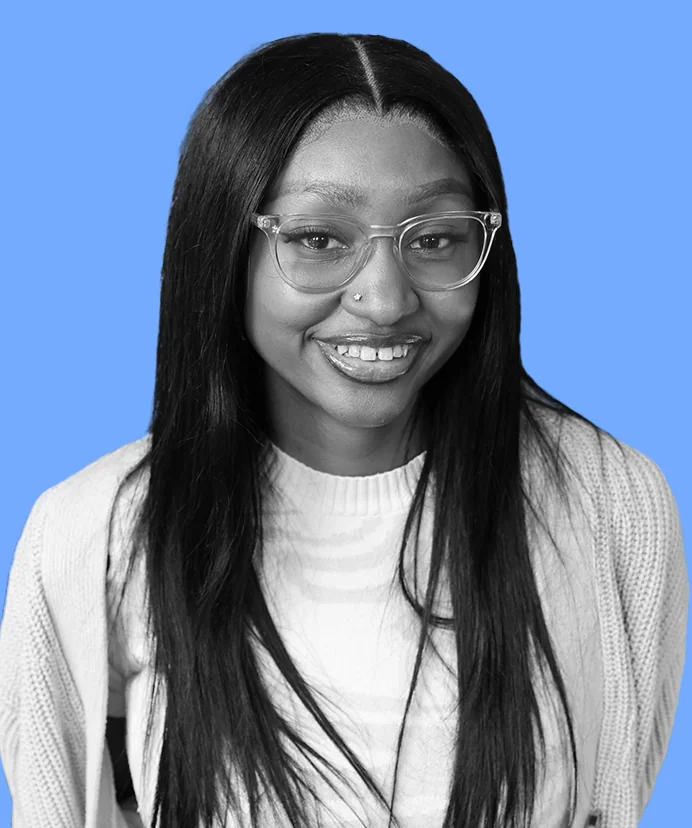
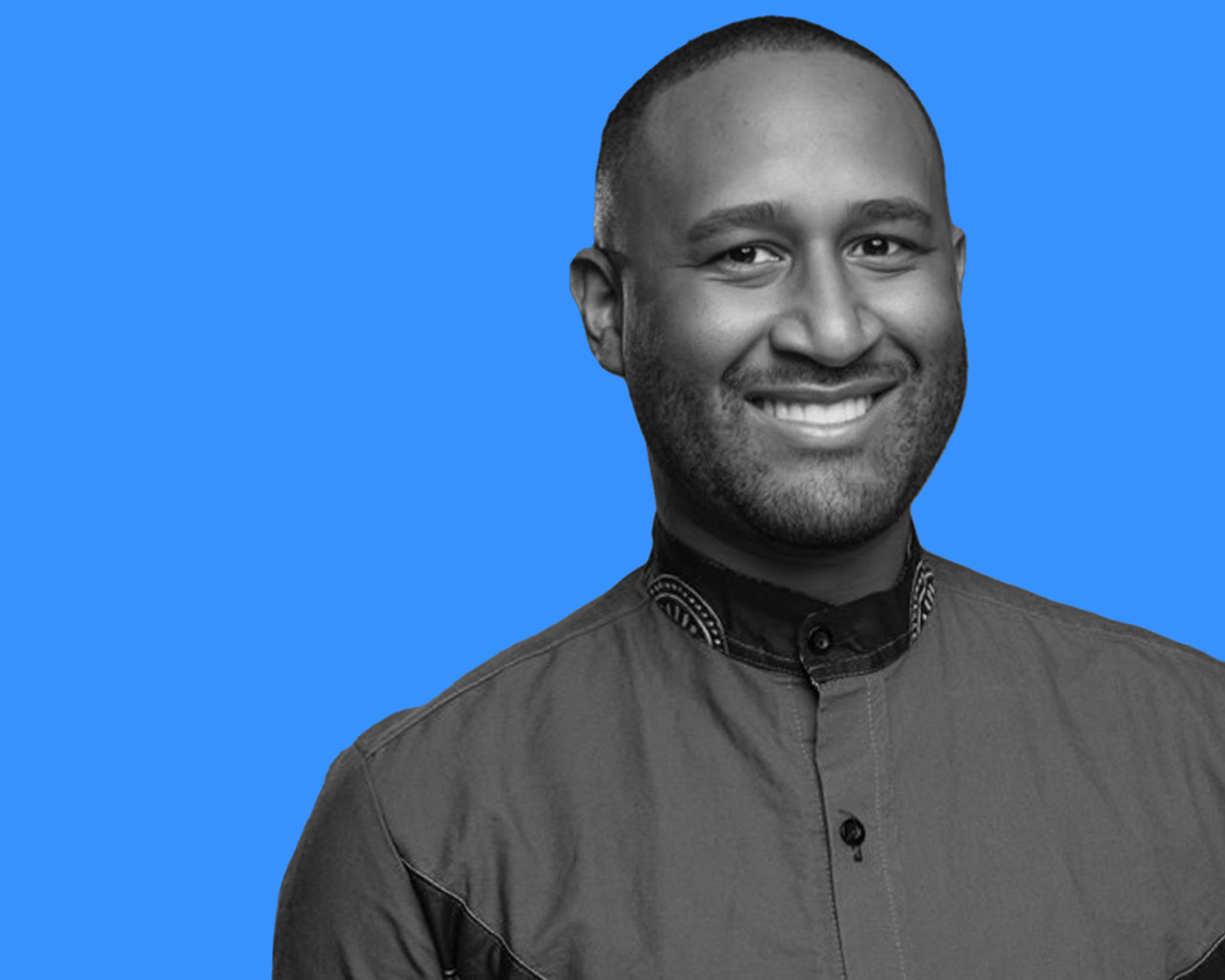
Terrell Winder, assistant professor of sociology at UC Santa Barbara, discusses how ethnographic research illuminates health disparities.
Read Time: 7 minutes
Published:
When people think about public health, they often picture numbers: infection rates, hospitalizations, clinical trials. But behind every statistic is a human story. While both public health and sociology use quantitative and qualitative approaches, they often emphasize different aspects of these stories. Public health frequently focuses on identifying patterns of disease and risk at the population level, while sociology (the study of how social structures, relationships, and inequalities shape our lives) offers deeper insight into how people experience and navigate these conditions. By observing how individuals and communities respond to these forces every day, sociologists uncover strategies of survival, resilience, and resistance that complement population-level data. According to one sociologist, understanding the overlap—and gaps—between the two fields is essential to building a more just health landscape for all.
Dr. Terrell Winder, an assistant professor of sociology at the University of California, Santa Barbara and urban ethnographer, studies the intersections of race, sexuality, stigma, and sexual health. Ethnographic research involves spending extended time in communities and observing everyday life, offering insight into how people navigate the social and structural forces (e.g., racism, stigma) that shape who gets sick and how people experience health systems. Winder’s work explores how discrimination affects the health and well-being of Black gay men and how communities resist stigma by building support networks and reshaping identity.
Public Health Post spoke with Dr. Winder about how ethnographic research helps illuminate health disparities, how communities navigate stigma, and why making research accessible to participants is essential for building trust.
Public Health Post: For readers who may not be familiar, what is ethnography, and how does it differ from other types of research often used in public health?
Dr. Winder: Ethnography is the study of culture. Literally, it means “writing culture.” Unlike researchers working in labs or experimental settings, we spend time in communities observing how people navigate their day-to-day lives. Ethnographic research captures the complexity of people’s lived experiences in ways other methods cannot. The extended time in the community allows researchers to see the nuances in how people actually navigate systems, relationships, and constraints in their daily lives in ways that datasets and surveys can’t.
Your research sits at the intersection of sociology and public health. How has the current restrictive social-political landscape reshaped the stakes of your work?
I haven’t changed what I study. These disparities didn’t disappear, so I’m not going to act as they did. What has changed is the availability of funding and opportunities to support this work. These funding changes affect what gets supported, what gets cut, and who has access to care. For me, the goal remains the same: to better understand people’s experiences and improve health outcomes. That doesn’t shift based on the political moment.
It has become even more crucial to document how people are navigating these changes at the federal level. What happens when someone loses health coverage? Where do they go for care? What strategies do they use to get what they need? We can have the data for how many people are affected, but that doesn’t really tell us how that plays out in someone’s life. When outcomes are unclear, meaningful action becomes difficult.
There’s a quote I often return to: “visibility is survival.” Capturing what’s happening in people’s lives is critical. It creates a record that helps us understand the impact of these larger structural changes on their lives and ultimately their health and well-being. In turn, we can use these records as a guide on how to respond.
What responsibility to the community do sociologists have beyond academia, and can you give an example of what that looks like?
The best work by sociologists is work that aims to make sure that the people who are being studied understand what it is we’re doing. Most academics aren’t evaluated based on how well they communicate with the people that they’ve studied, but rather on how many papers they are publishing, or grants they are receiving. However, it’s imperative that we ensure that our work is accessible to the people who are at the center of it and to include them in planning how the information will be shared.
Public health has stronger models for this, like community advisory boards and participatory research. Sociology doesn’t always require that, especially in ethnography. But I think we should be more intentional about how we share findings and who gets to shape that process.
In one of my recent projects, participants wanted to be visible. The project examined how Black Millennial and Gen Z practitioners of Africana religions incorporated their practices in daily life through profiles and interviews from May 2022 to June 2023. The participants wanted their names and stories shared. So instead of prioritizing an academic paper, we created a website where the participants could proudly present themselves and their experiences to the world.
How do you sustain trust and reciprocity in communities that may feel overstudied but underserved?
Building trust is one of the hardest parts of doing academic research. It requires transparency and being honest about what you can and can’t do, especially when funding is uncertain. It also means listening to communities and designing projects based on what they actually want or need.
Beyond that, it’s about relationships. People need to feel like you care about them as individuals, not just as data points. That means remembering conversations, checking in, and treating people like people. And importantly, that doesn’t end when the project ends. I’m still in touch with people from my first project over a decade ago. Data collection might stop, but relationships don’t have to.
Your research often focuses on stigma. How do individuals and communities respond to stigma over time?
A lot of sociological research focuses on how stigma harms people, which is important. But I’m also interested in how people reject stigma and reshape their identities. In my upcoming book, Shameless: The Making of Black Gay Identities in LA, I describe this as the process of “unspoiling” identity. I’m interested in how people repair their relationship with themselves and transform identities that were once framed as shameful into sources of pride and strength. Community networks, cultural representation, and chosen families all play a role in that process.
How are younger generations navigating stigma today compared to when you began your research 15 years ago?
I don’t think the core strategies have changed as much as the context around them. Access to representation, community organizations, and social support still matters.
What has changed is the digital landscape. Social media gives people access to examples and communities that didn’t exist in the same way before. Someone can now see others living openly and think, “Why not me?” That visibility can help people reject stigma. And that’s central to my work. This idea that even if stigma exists, you don’t have to internalize it. You can say, “You might feel this way about me, but I’m not going to feel this way about myself.”
Looking ahead, how can researchers who don’t have the same institutional support remain responsive, ethical, and impactful?
You have to decide what you’re willing to fight for and what you might need to pause. Not every battle can be fought at once. Sometimes that means being creative and finding new ways to do your work with fewer resources. Sometimes it means shifting focus temporarily. But the key is not losing sight of your larger goal. At the end of the day, both sociology and public health are about improving people’s lives. The methods may differ, but the mission is shared.