Chronic Kidney Disease Is a Global Heart Risk Hiding In Plain Sight
In 2023, 11.5% of global cardiovascular deaths were due to impaired kidney function, highlighting the link between kidney and heart health.

Read Time: 2 minutes
Published:
Modern medicine often treats the body as a collection of separate organs. Chronic kidney disease (CKD) shows how tightly connected those systems are. Affecting hundreds of millions of adults worldwide, CKD can raise the risk of cardiovascular disease. It can turn a slow, silent decline in kidney function into heart attacks, strokes, and early death when health systems miss the chance to catch it early.
The Global Burden of Disease Study 2023 compiled data from 204 countries and territories. Researchers drew from published studies, death registration systems, kidney failure treatment registries, and household surveys. Using standard lab-based definitions for CKD stages, they estimated how many adults live with CKD and how many die from it worldwide. They also estimated how much cardiovascular death is linked to reduced kidney function, and which risk factors contribute most.
In 2023, an estimated 788 million adults aged 20 and older were living with CKD, up from 378 million in 1990. That equals a global prevalence of 14.2%. Prevalence varies widely by region, with some of the highest levels in North Africa and the Middle East. Rates can run particularly high where diabetes, high blood pressure, obesity, and older age are more prevalent. Where screening and long-term treatment are limited, CKD is more likely to progress to kidney failure and death.
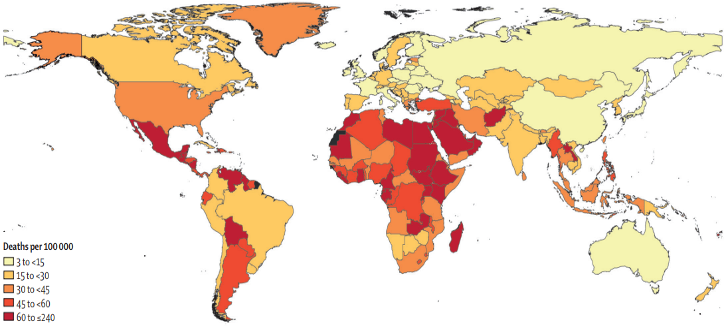
CKD also contributes to mortality, as shown in the map above. The study links CKD to 1.48 million deaths in 2023, placing it among the leading global causes of death. The team also estimated that 11.5% of cardiovascular deaths in 2023 were attributable to impaired kidney function, underscoring how closely kidney and heart health are linked.
The burden is not shared evenly. In the United States, adults in low-income communities face higher kidney-related death rates and have far less access to dialysis and kidney transplantation. Limited access can turn kidney failure from a manageable condition into a preventable cause of death.
Prevention and detecting CKD early can reduce cardiovascular deaths and delay kidney failure. The authors suggest that health systems add routine kidney checks for people with diabetes or hypertension using simple blood and urine tests, then act early when results are abnormal. Countries can strengthen blood pressure and glucose control, support healthier diets and physical activity, and reduce barriers to essential medicines.
Addressing CKD early is not only about protecting kidney function – it is about recognizing that organ health does not exist in isolation, a principle that holds throughout the body.